How to Identify Real Leather, Real Wood, and Real Brass at the Thrift Store
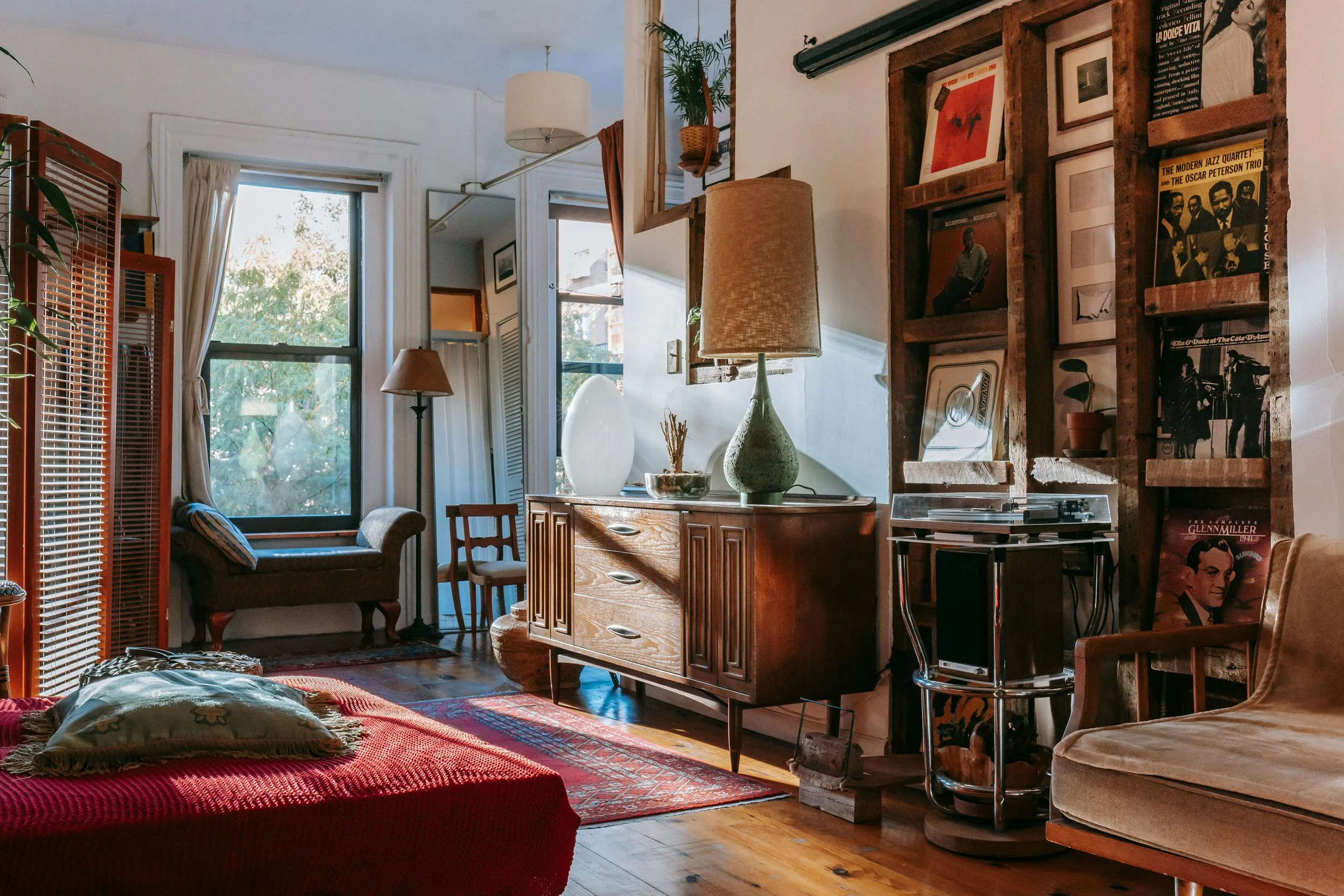
Most people think vintage shopping is about luck. Sure, sometimes it is! Sometimes you walk into a thrift store, and there’s a perfect Danish teak credenza sitting under fluorescent lights for $80 because nobody noticed it.
But most of the time, the people who consistently find good vintage pieces aren’t luckier than everyone else. They just know what they’re looking at!
The difference between solid wood and veneer, real brass and plated metal, and leather that’ll age beautifully vs. leather that’ll crack in a year. Once you learn how to spot quality materials, vintage shopping gets way more interesting and way less overwhelming.
This is the stuff we think about constantly at Artifact when we’re sourcing for the store. And the good news is: you do not need to be a furniture historian or fashion archivist to learn it. You just need to start paying attention.
Why Material Quality Matters So Much in Vintage
A huge reason vintage furniture and clothing still exist decades later is because they were often made better to begin with!
Older furniture was more likely to use solid wood construction instead of particle board. Older jackets used thicker leather. Older lamps used heavier metals. Even everyday objects were frequently built with longevity in mind.
That doesn’t mean every old thing is valuable. There’s plenty of junk from every era. But understanding materials helps you separate “old” from “worth bringing home.” And in a world full of fast furniture and fast fashion, quality materials stand out immediately.
According to the Environmental Protection Agency (EPA), millions of tons of textiles end up in landfills every year in the U.S. alone. Buying secondhand isn’t just more interesting aesthetically, it also keeps well-made pieces in circulation longer.
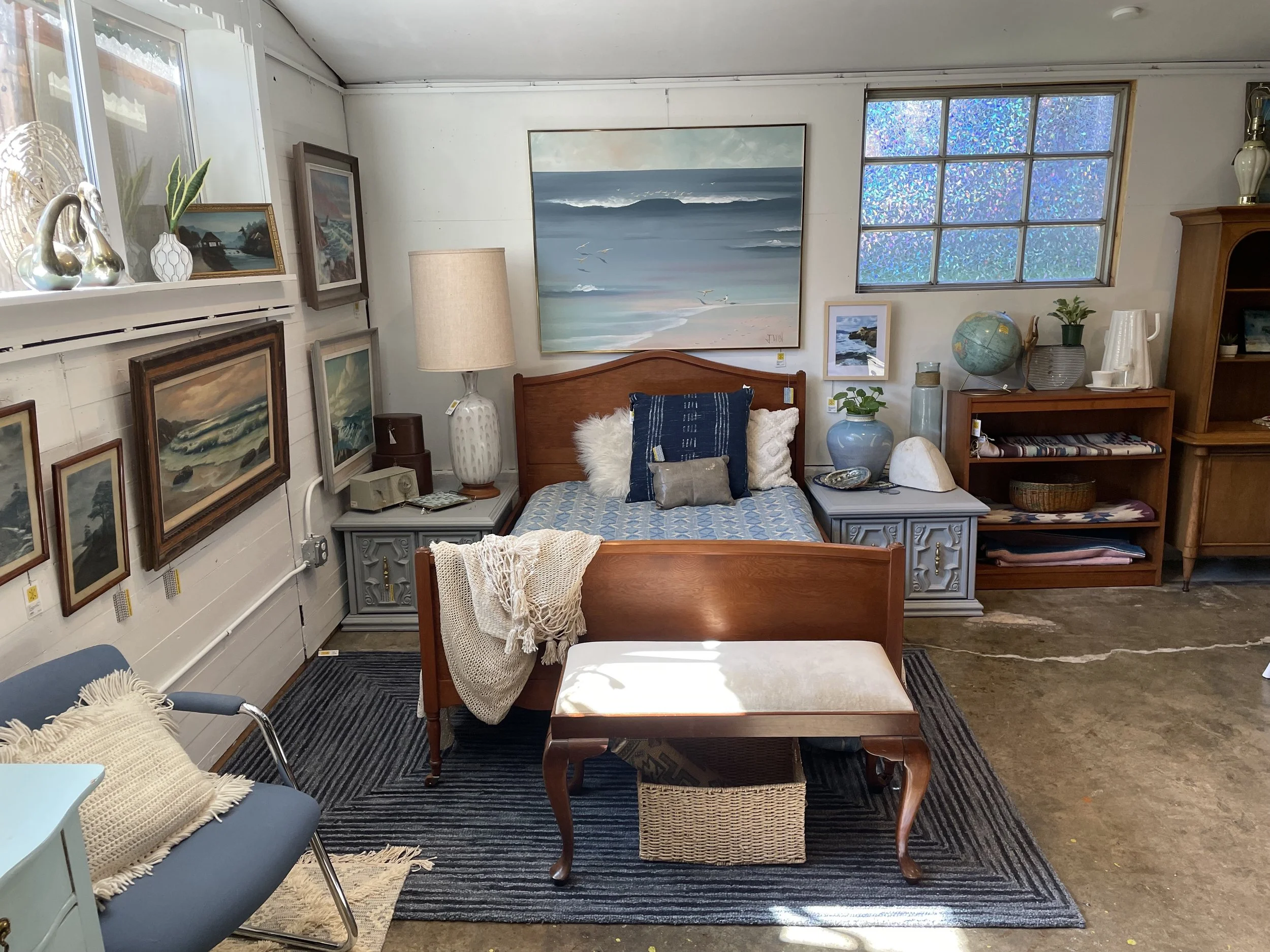
New, well-loved pieces hit the floor at Artifact every day.
How to Identify Real Wood
Weight Is Your First Clue
Pick it up! Seriously. Solid wood furniture often feels heavier than people expect, especially compared to newer mass-produced pieces. If a dresser feels unusually light for its size, there’s a decent chance it’s laminate or lower-quality construction rather than solid wood.
That said, this is not a hard rule. Some vintage pine pieces are naturally lightweight, and certain particle board or laminate furniture can actually feel heavy because of the glue and compressed materials used inside. Weight is less of a final answer and more of one useful clue in the larger process of learning how materials behave.
Look at the Grain
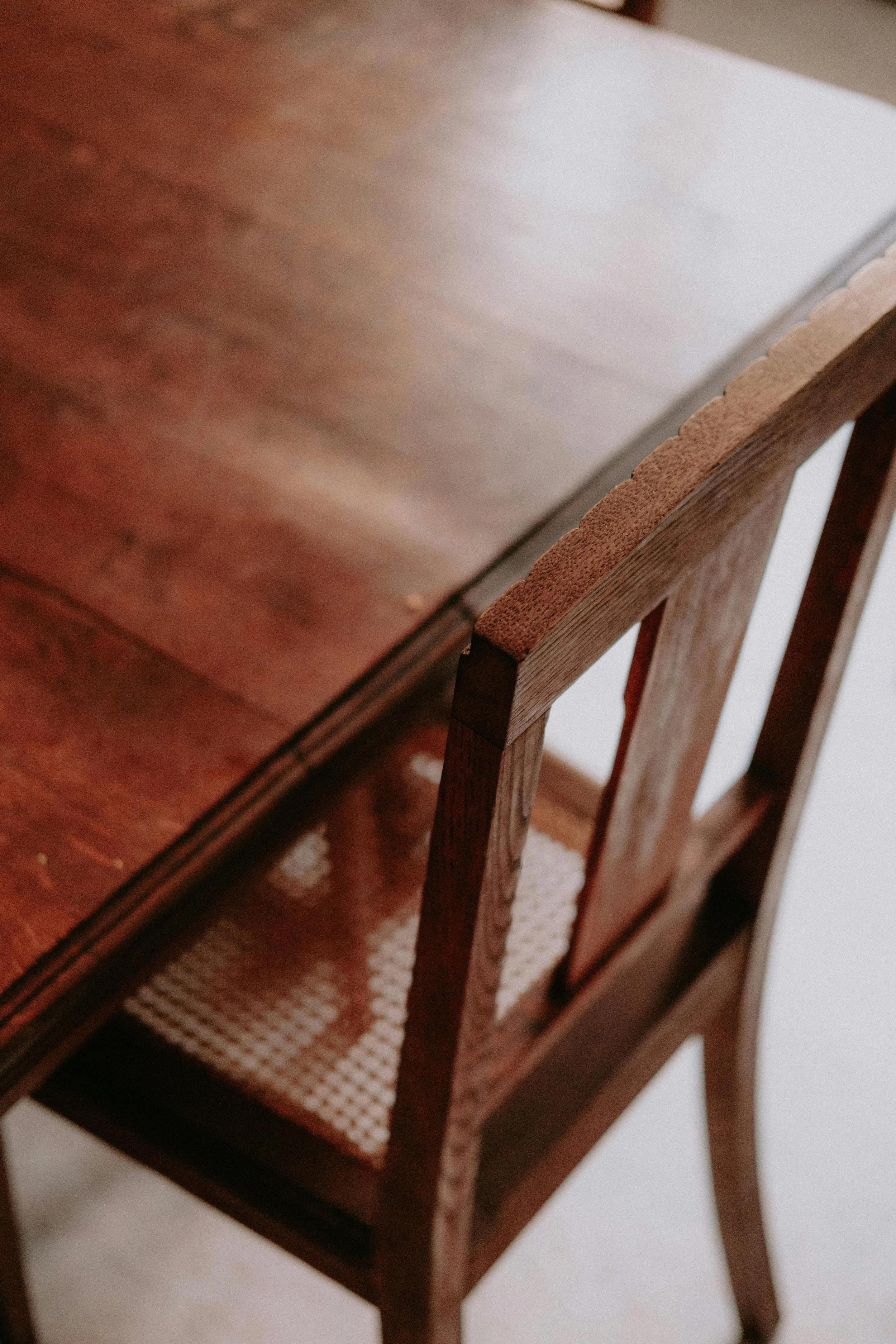
Real wood grain is naturally inconsistent. You’ll see variation, imperfections, subtle changes in pattern, and grain lines that continue across surfaces naturally. Fake wood grain often repeats in obvious patterns or looks printed on.
One easy trick: look at edges and corners. If the grain suddenly disappears or wraps unnaturally around a sharp corner, you’re probably looking at laminate or veneer.
Check the Back and Bottom
Furniture hides its secrets underneath. The underside of tables, backs of dressers, and interiors of drawers usually reveal construction quality fast. Look for:
Solid wood drawer interiors
Dovetail joints!!
Plywood backing instead of cardboard
Signs of age that feel natural, not manufactured
At Artifact, we’re constantly checking construction details before we buy anything for the floor. A beautiful silhouette means less if the piece won’t survive another decade.
Veneer Isn’t Always Bad
This is important.
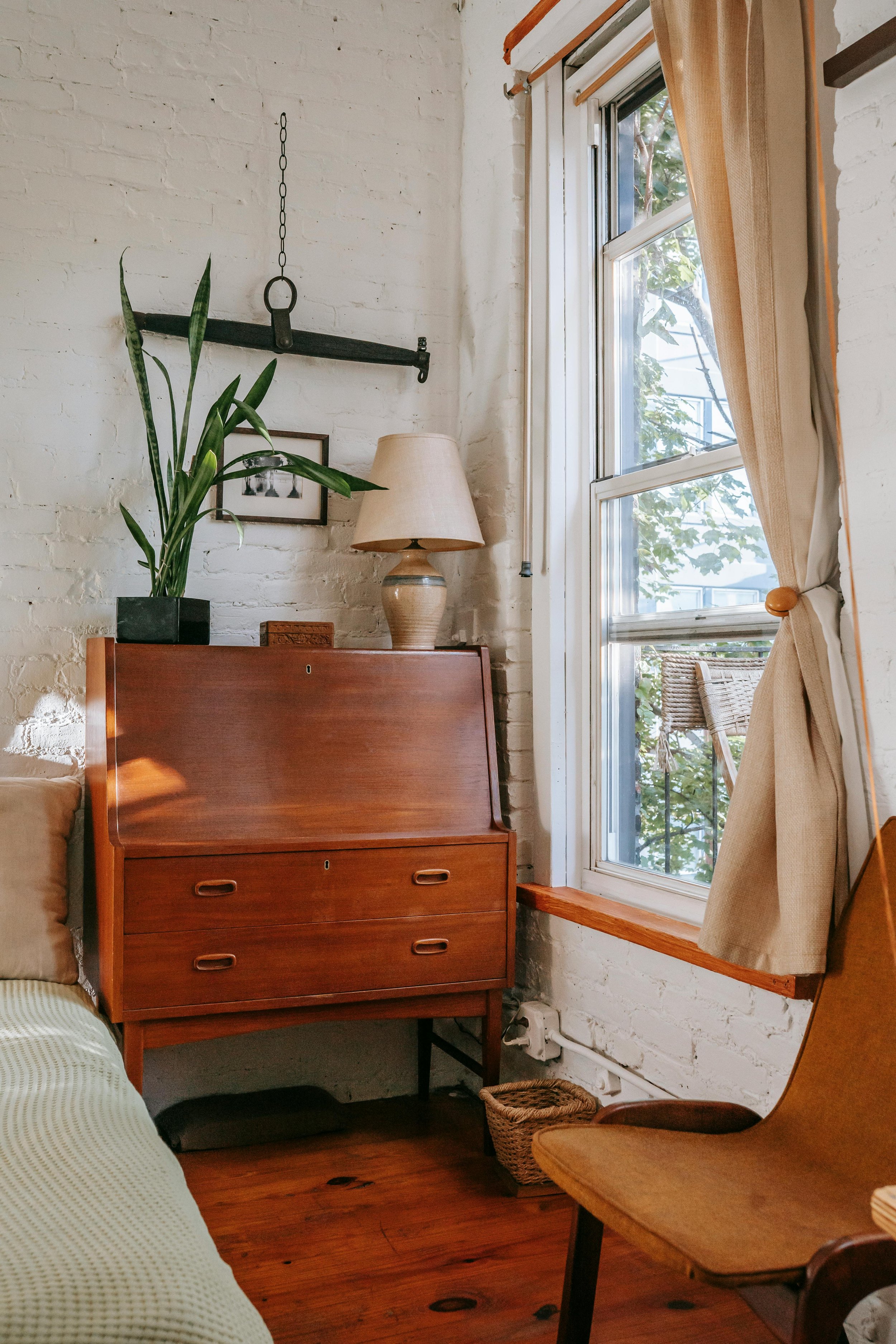
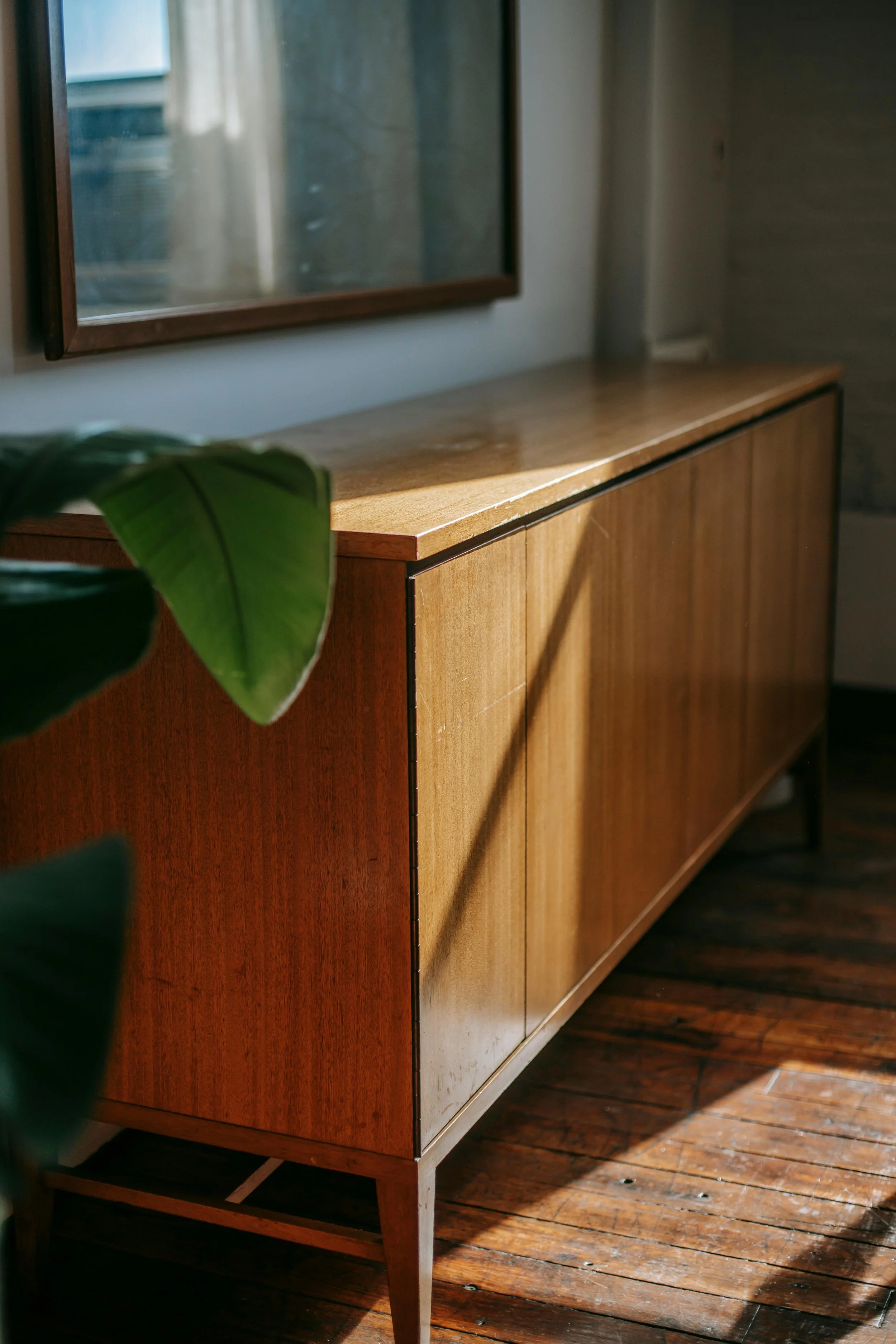
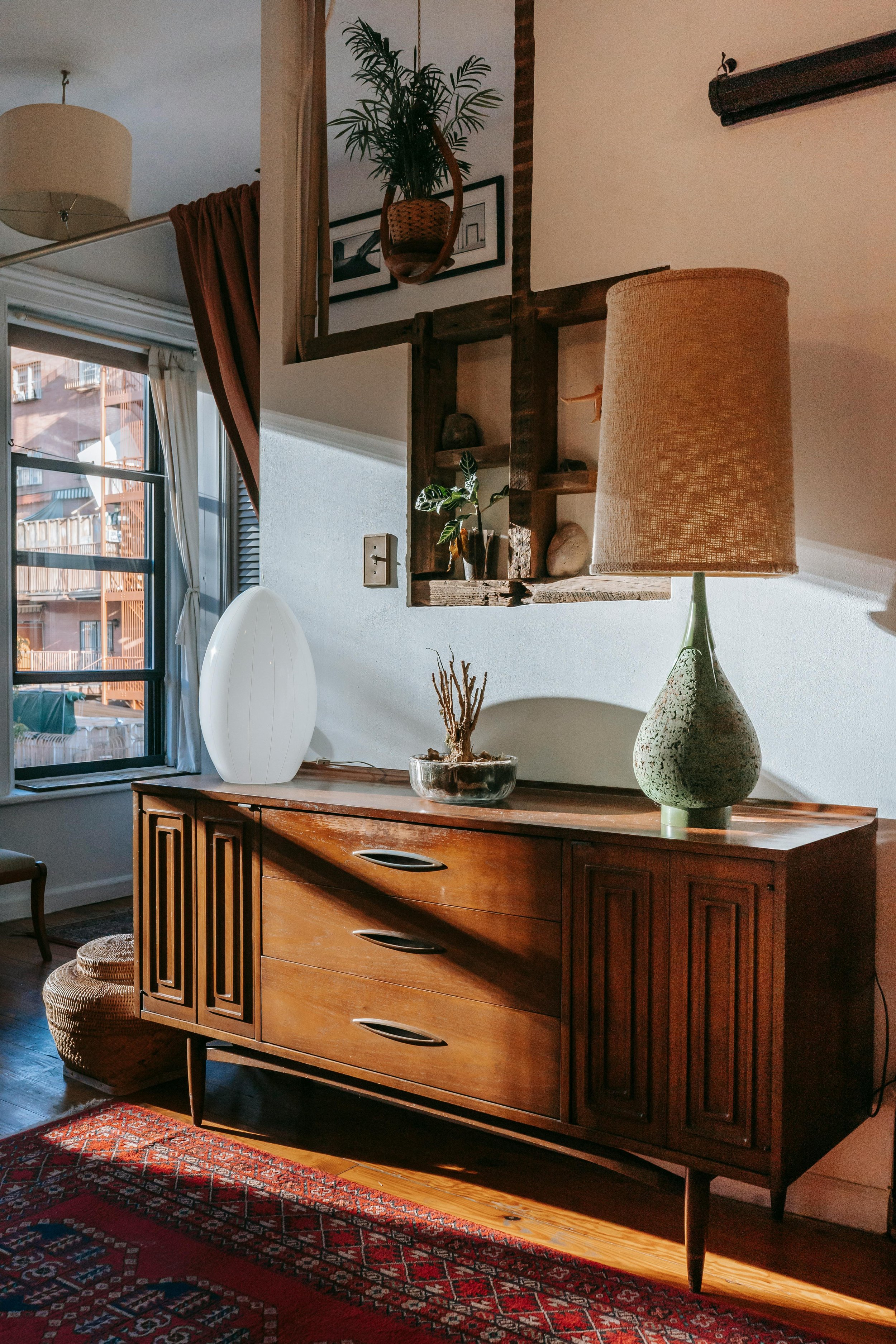
People hear “veneer” and assume it's cheap. That’s not always the case. A lot of iconic mid-century furniture used wood veneer intentionally, especially walnut and teak pieces. High-quality vintage veneer can be gorgeous and extremely durable!
The difference is what’s underneath. Older veneer furniture often used plywood or solid wood cores. Newer low-quality furniture usually uses particle board that swells, chips, and collapses over time.
Good veneer ages gracefully. Cheap veneer peels. There’s a difference.
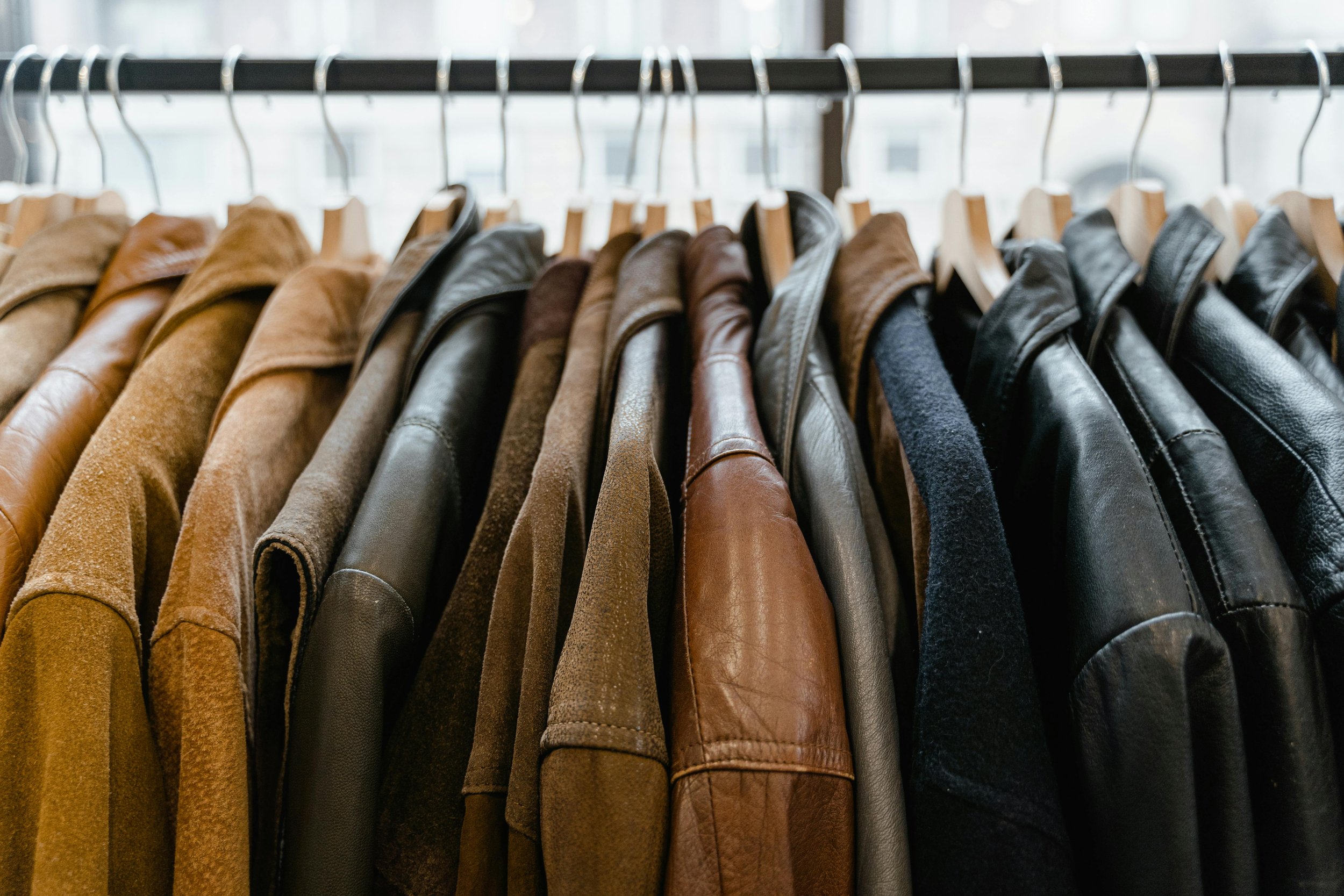
How to Identify Real Leather
Smell Matters More Than You Think
Real leather has a distinct smell that’s hard to fake. It smells warm, earthy, and slightly imperfect. Faux leather often smells plasticky or chemical-heavy, especially on newer pieces. Vintage leather sometimes loses that scent over time, but texture usually gives it away.
Real Leather Has Variation
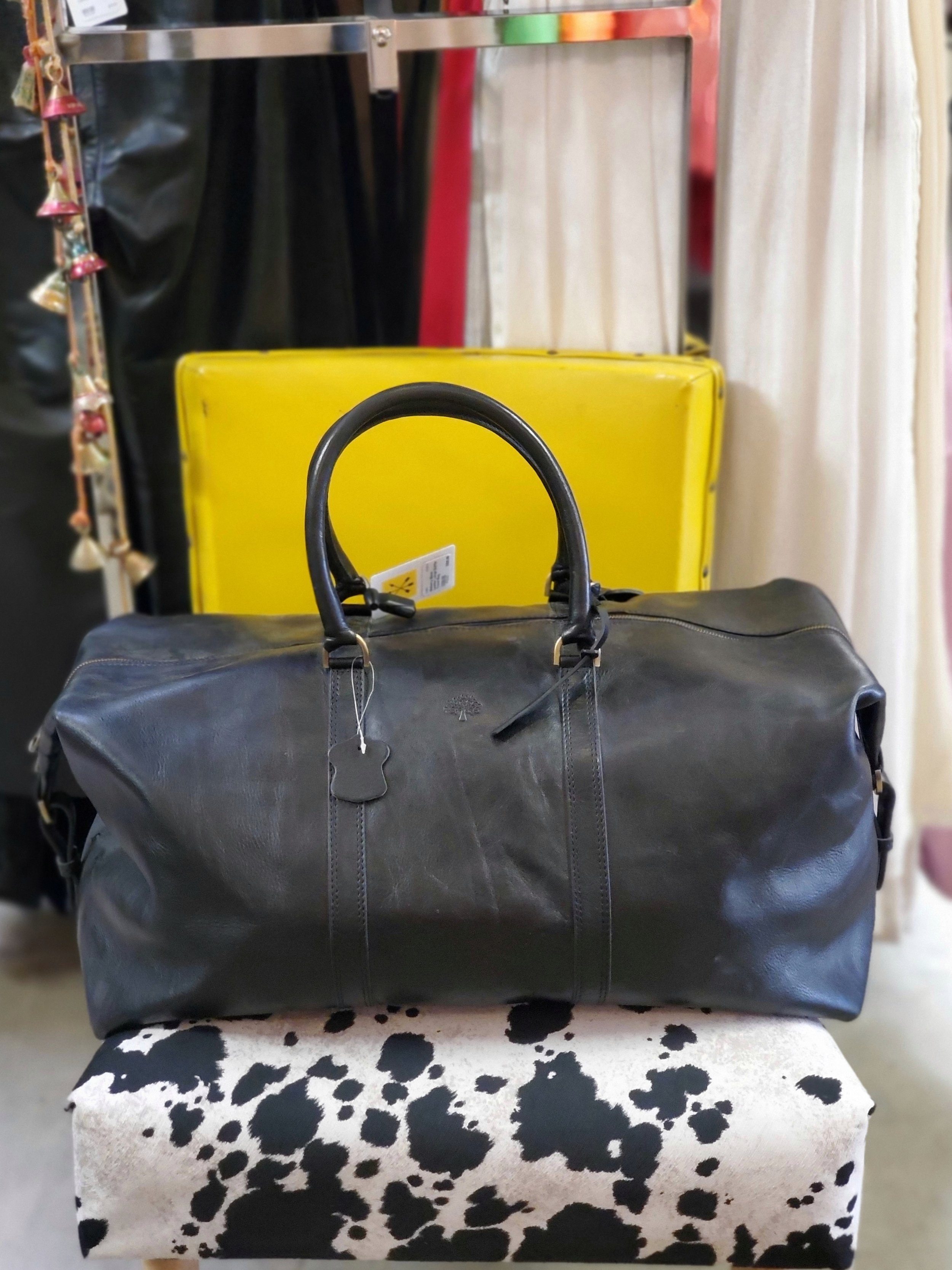
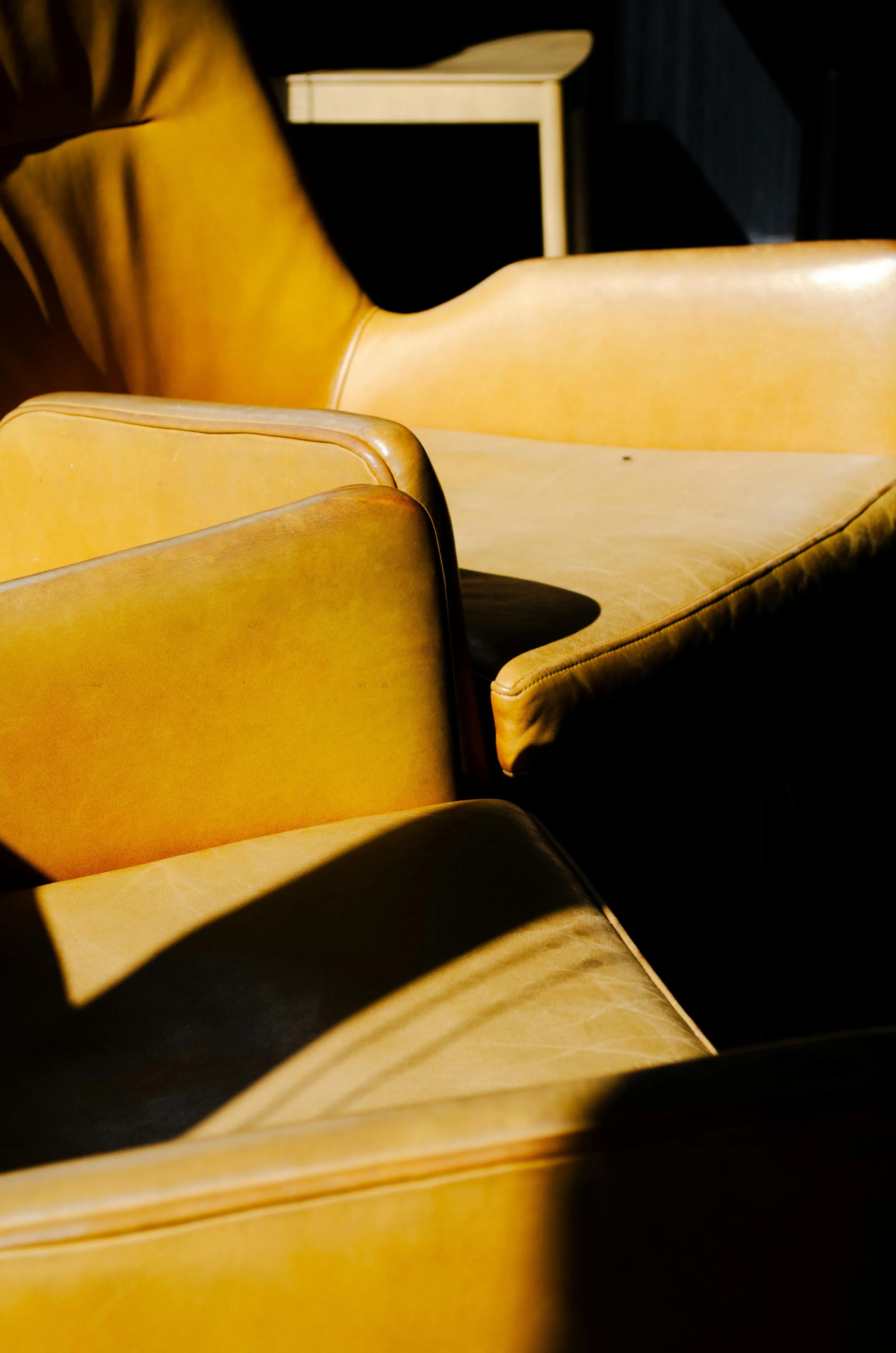
Perfectly uniform leather is suspicious. Real leather has pores, wrinkles, grain shifts, and tiny inconsistencies because it’s a natural material. Faux leather tends to look overly even or unnaturally smooth. The best vintage leather jackets and bags usually have softness and character that synthetic materials struggle to replicate.
Look at the Edges
Raw edges tell the truth. If you look closely at an unfinished edge of real leather, you’ll usually see a fibrous suede-like texture. Faux leather often has a fabric backing or looks layered and plasticky when viewed from the side.
Patina Is a Good Thing
Good leather gets better looking with age. That soft wear around the sleeves of an old leather jacket? The darkened handles on a vintage bag? (So good.) That’s patina! And it’s one of the reasons people love vintage leather so much. Cracking and peeling, though, are different stories. Peeling almost always means synthetic materials are involved!
How to Identify Real Brass
Brass Has Weight
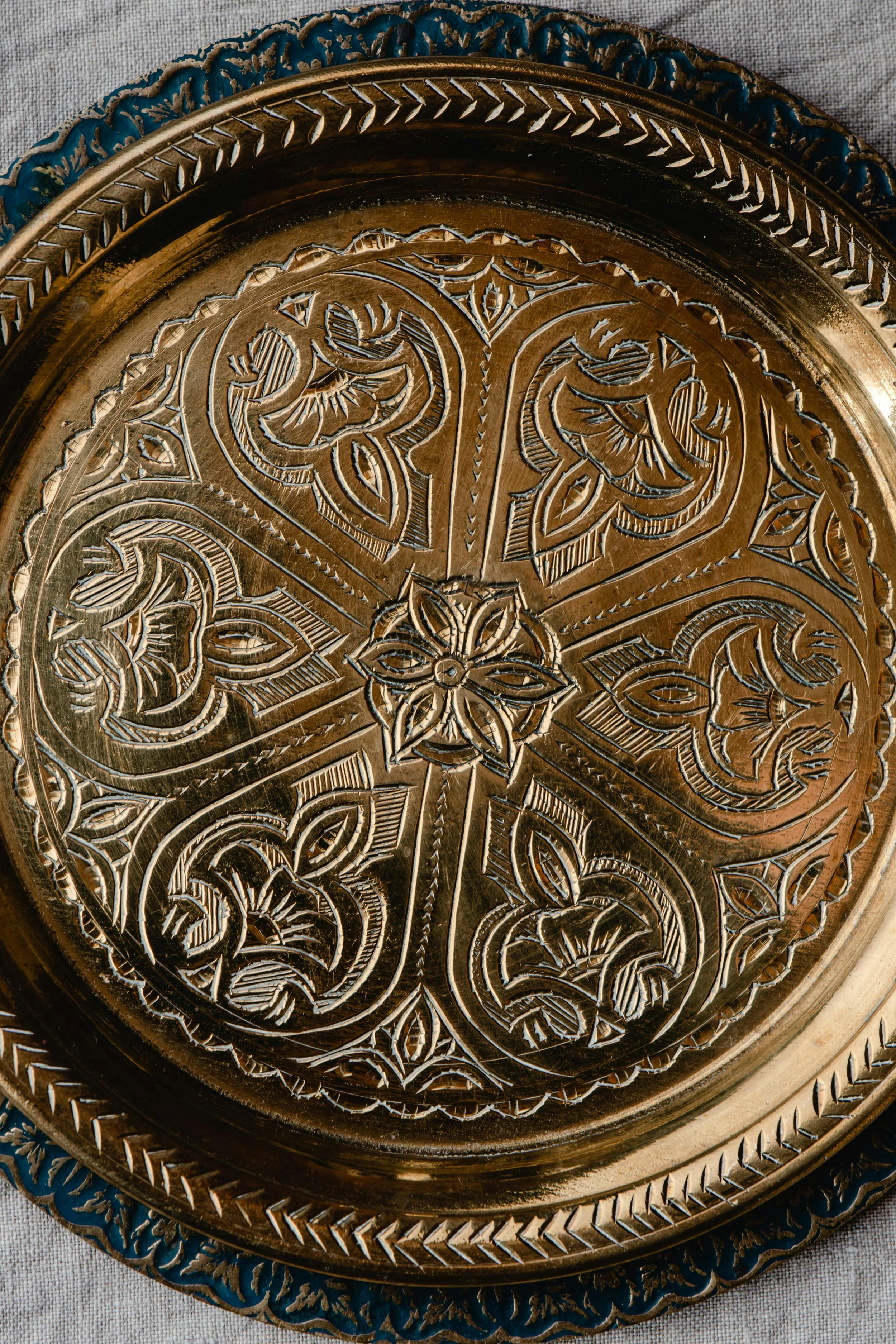
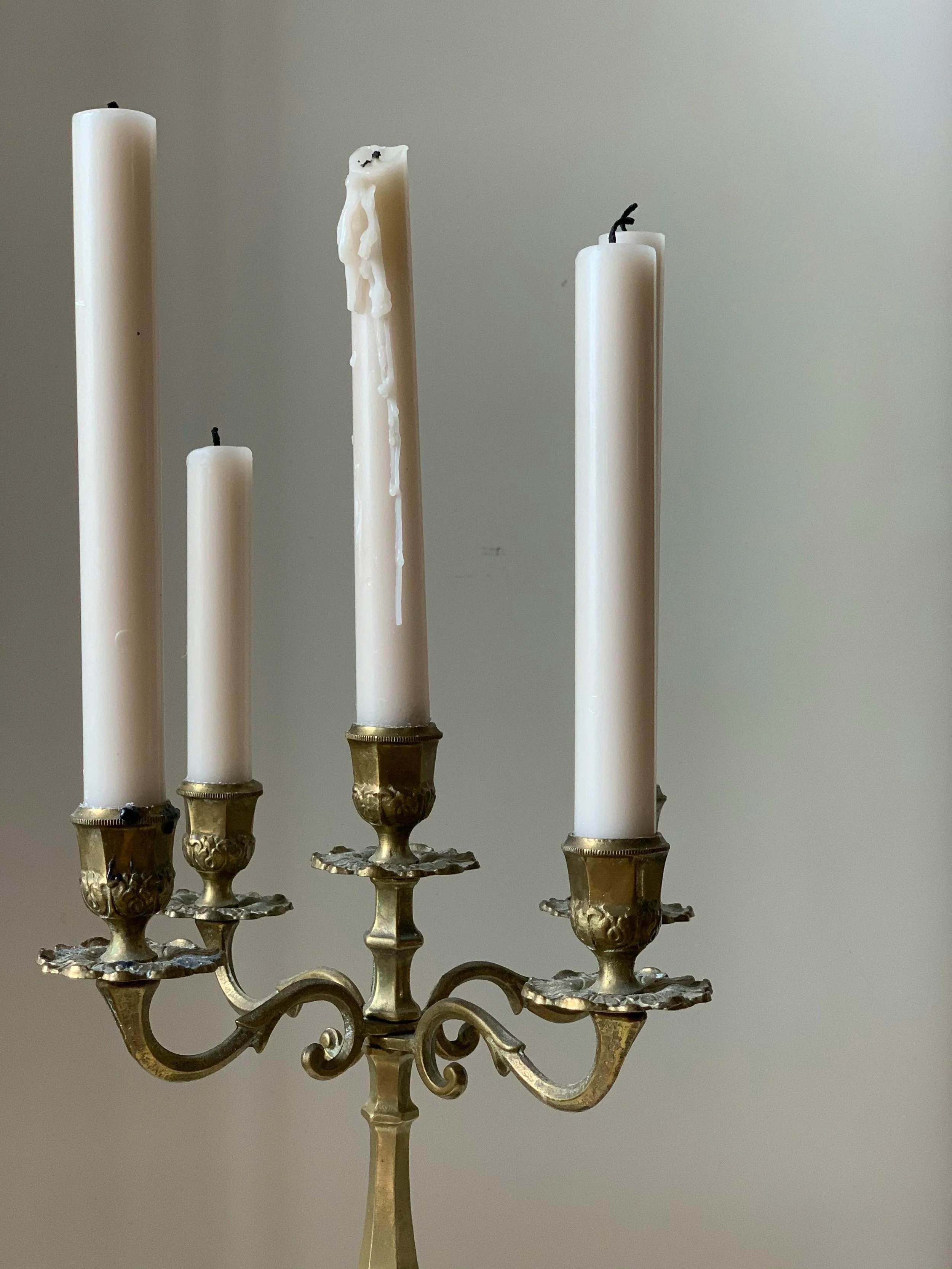
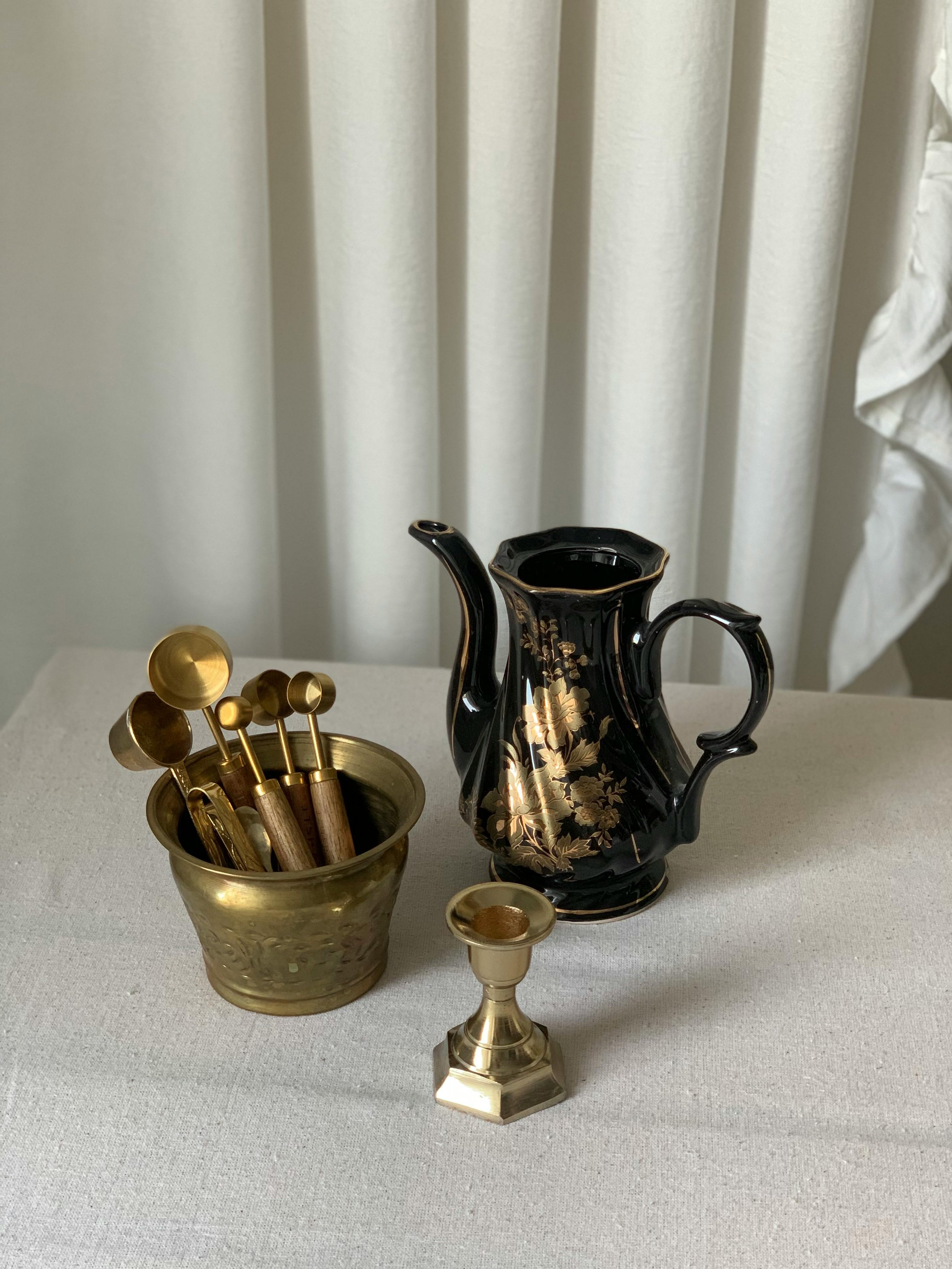
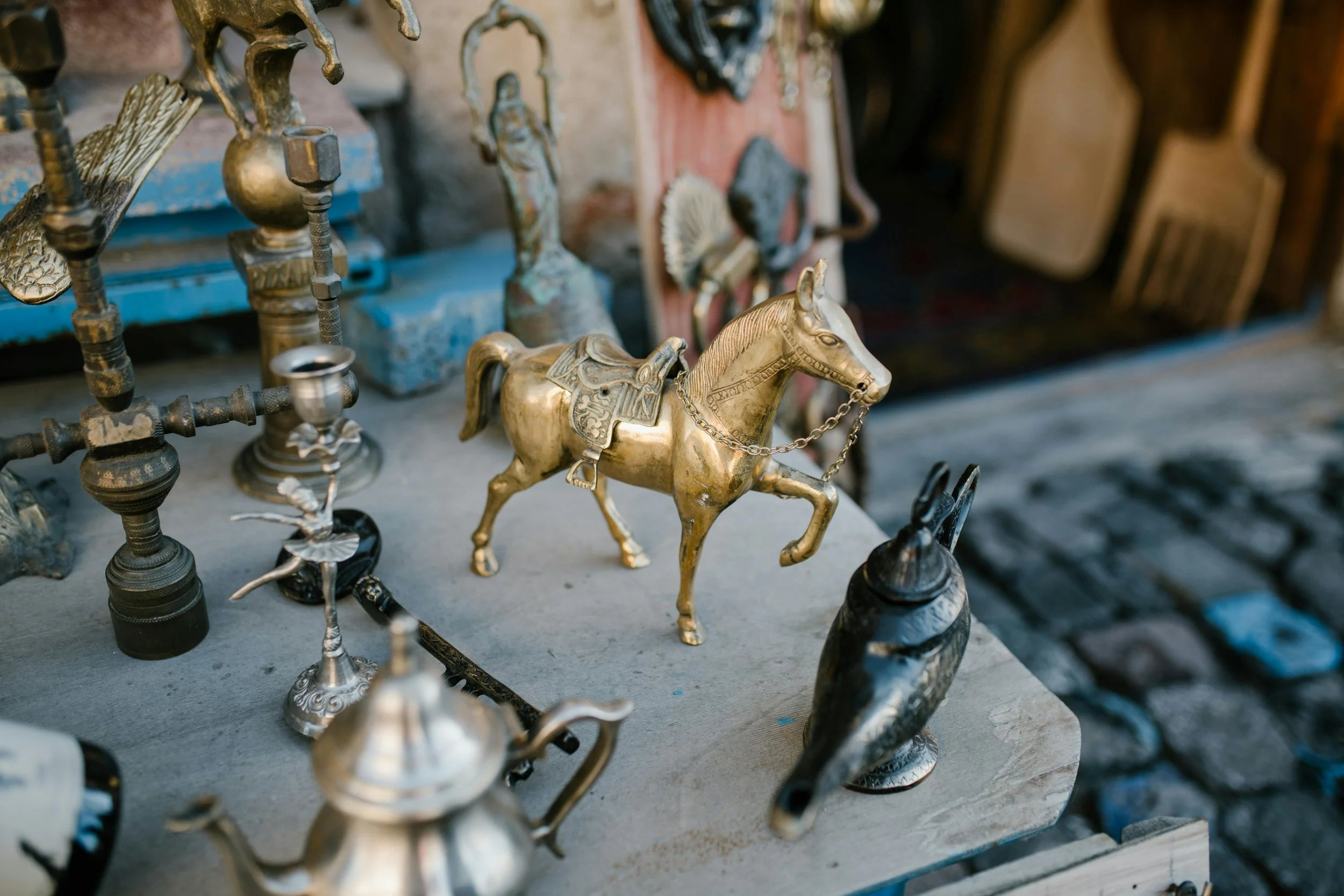
Like solid wood, real brass tends to feel heavier than plated metal. Vintage brass lamps, candlesticks, and hardware usually have a satisfying density to them. Lightweight pieces are often plated aluminum or cheaper alloys.
Use a Magnet
This is the easiest trick in the world!! Brass itself is not magnetic. If a magnet sticks strongly to the piece, it’s probably brass-plated steel rather than solid brass. That doesn’t necessarily mean you shouldn’t buy it, but it changes the value and longevity.
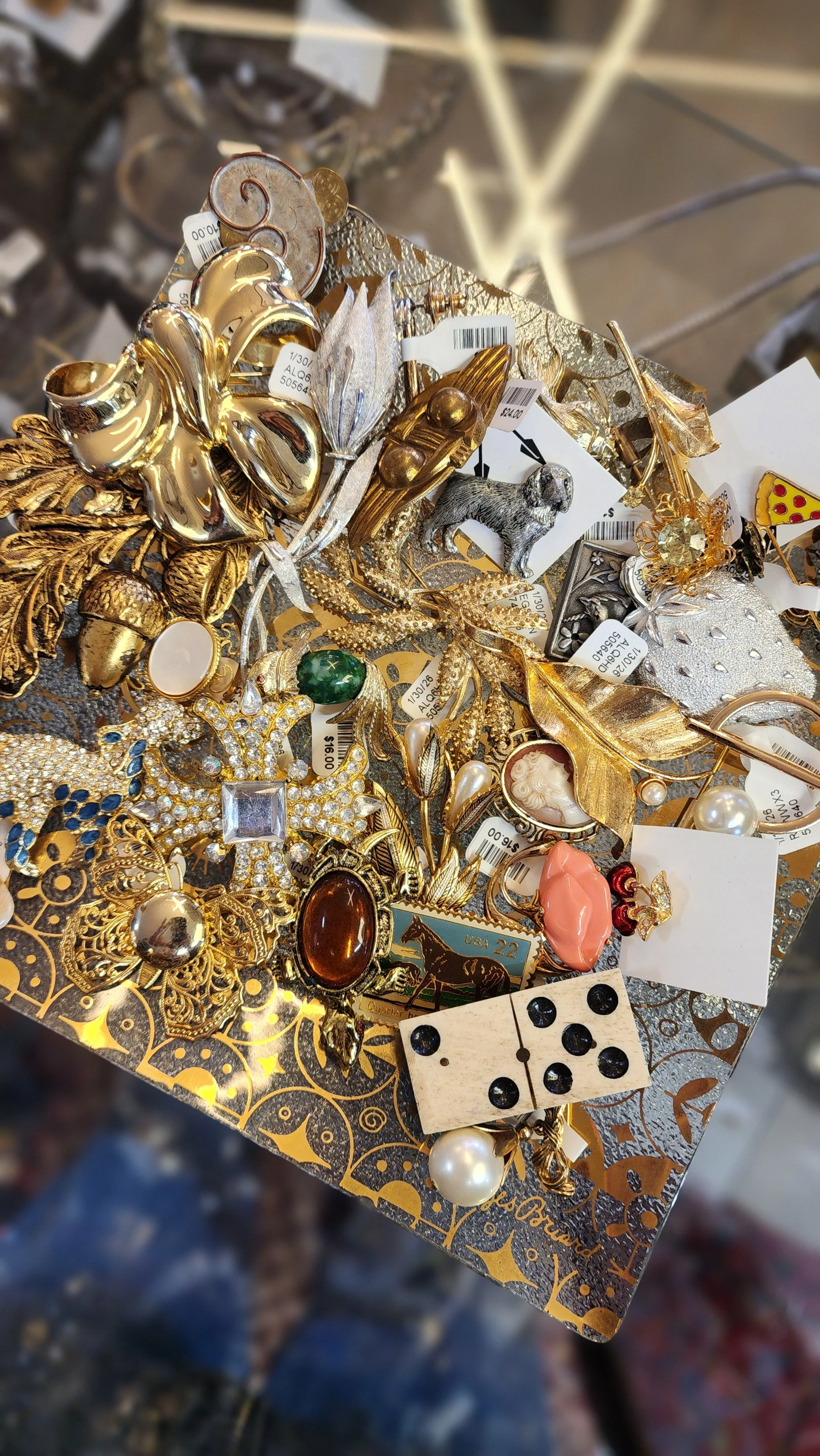
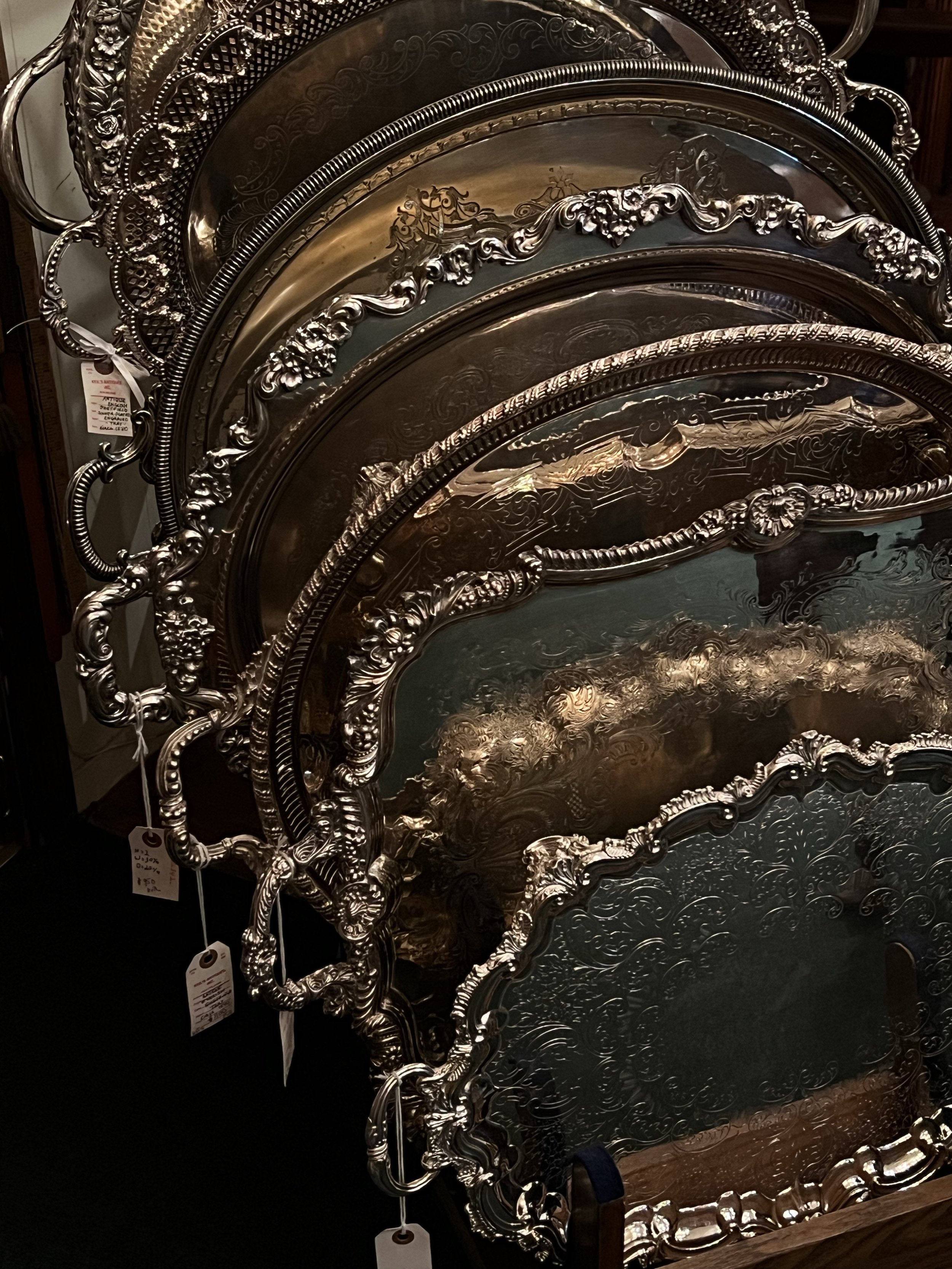
Hot tip while we’re here. Sterling silver is also not magnetic, which makes this a surprisingly useful trick to keep in mind when you’re digging through vintage jewelry trays at the thrift store.
Look for Natural Tarnish
Real brass develops patina over time. You’ll usually see darker areas, oxidation, or uneven aging, especially around handles and edges. Brass-plated pieces often chip instead of aging naturally. Honestly, some of the best vintage brass pieces look a little imperfect. Too polished can sometimes be a red flag.
What We Look for at Artifact
When we’re sourcing for Artifact, we’re rarely looking for perfection. We’re looking for pieces with integrity. Good materials, strong shapes, interesting wear… something with enough history to feel human but enough life left to keep going. Sometimes that’s a pristine mid-century credenza. Sometimes it’s a beat-up leather chair that somehow looks better because of all the scratches. The goal isn’t for everything to look untouched. The goal is for it to feel lived in, in the right ways!
The More You Touch, the Better You Get
The best thing you can do if you want to get better at vintage shopping is simple: Touch more things. Open drawers. Lift chairs. Feel fabrics. Flip pieces over. Look underneath tables. Compare materials side by side. Spend time in vintage stores even when you’re not buying anything.
Your eye develops faster than you think. Eventually, you stop needing labels or price tags to tell you whether something is good quality. You can feel it almost immediately! That’s when vintage shopping becomes addictive.
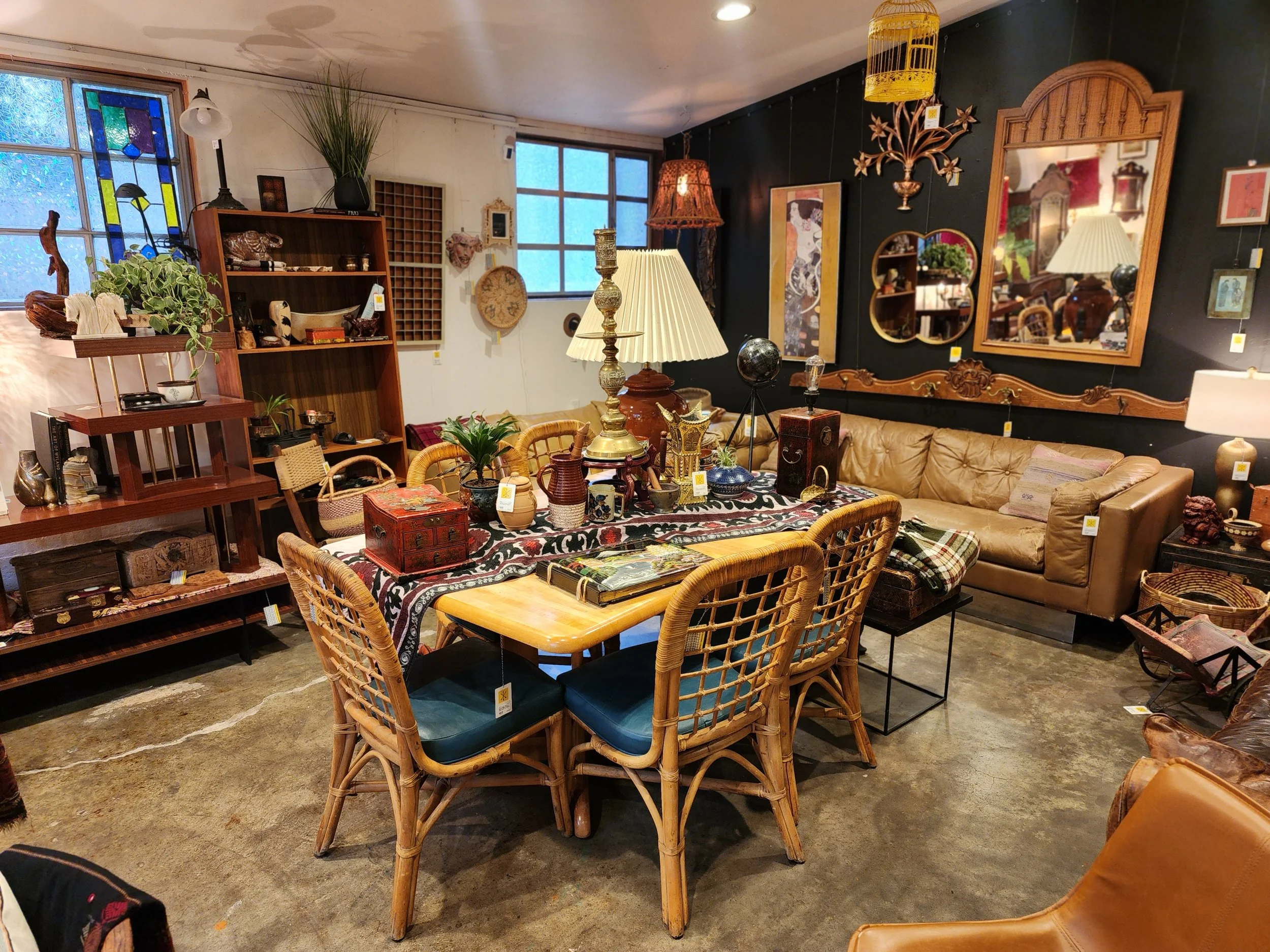
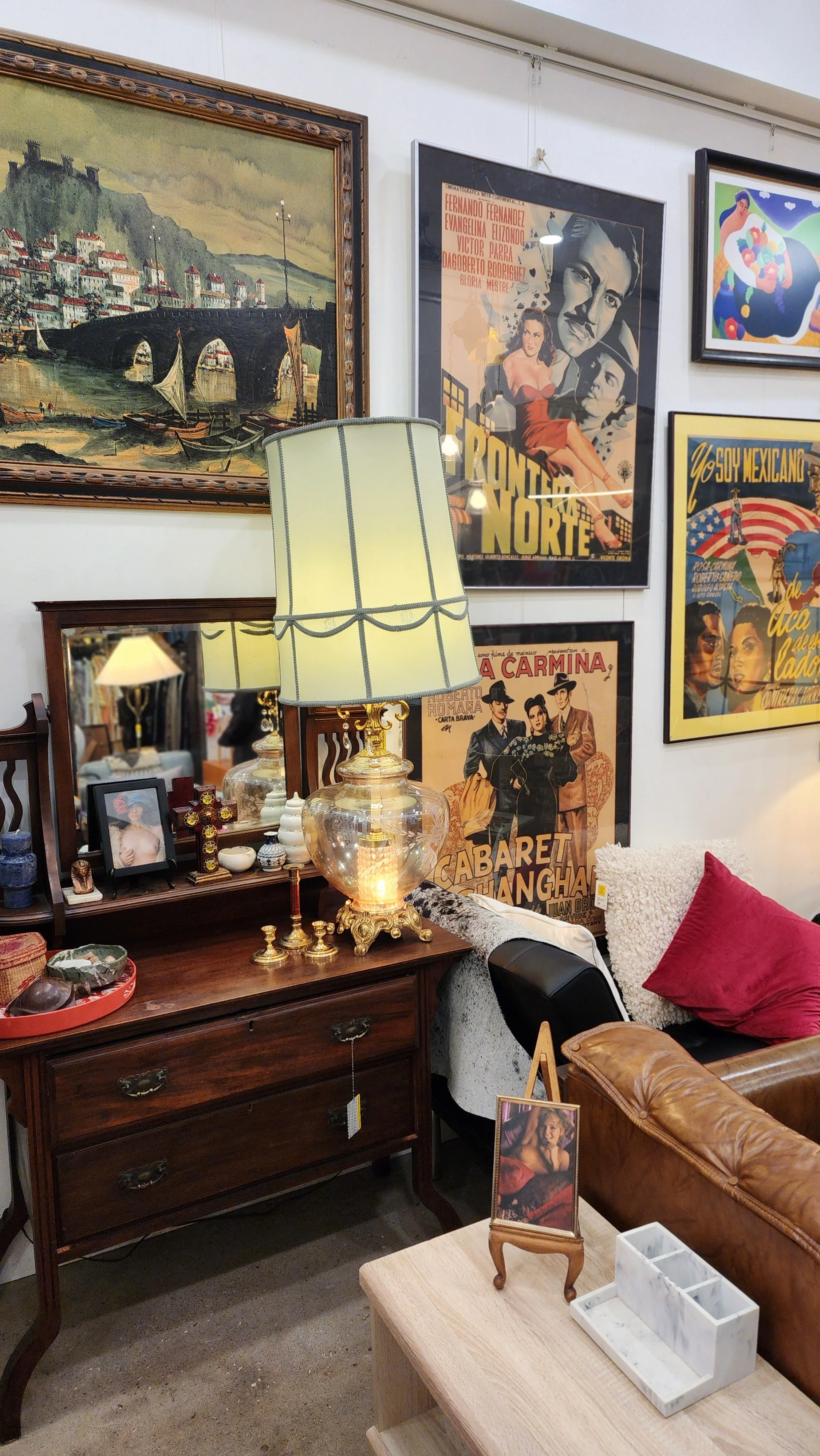
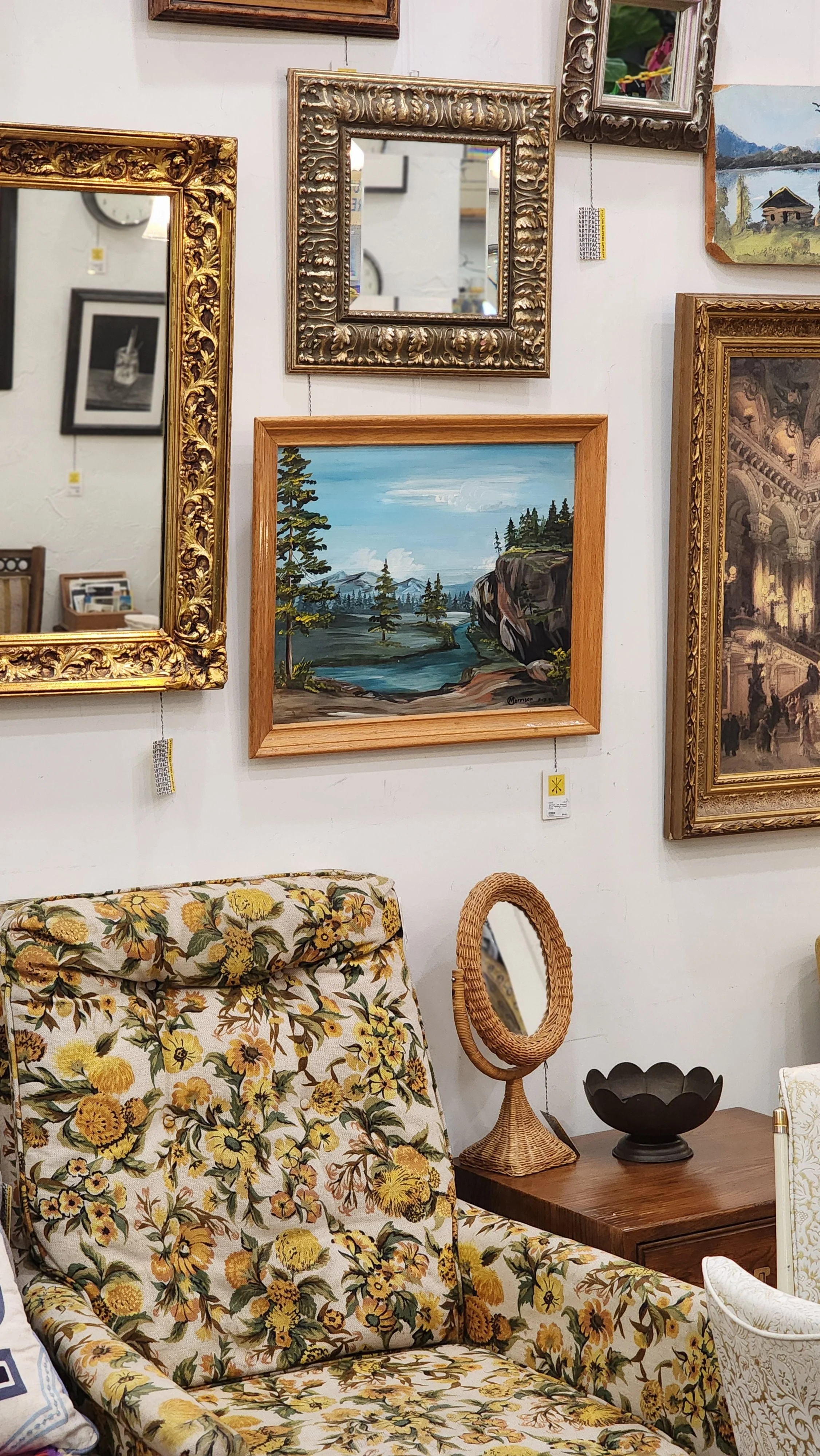
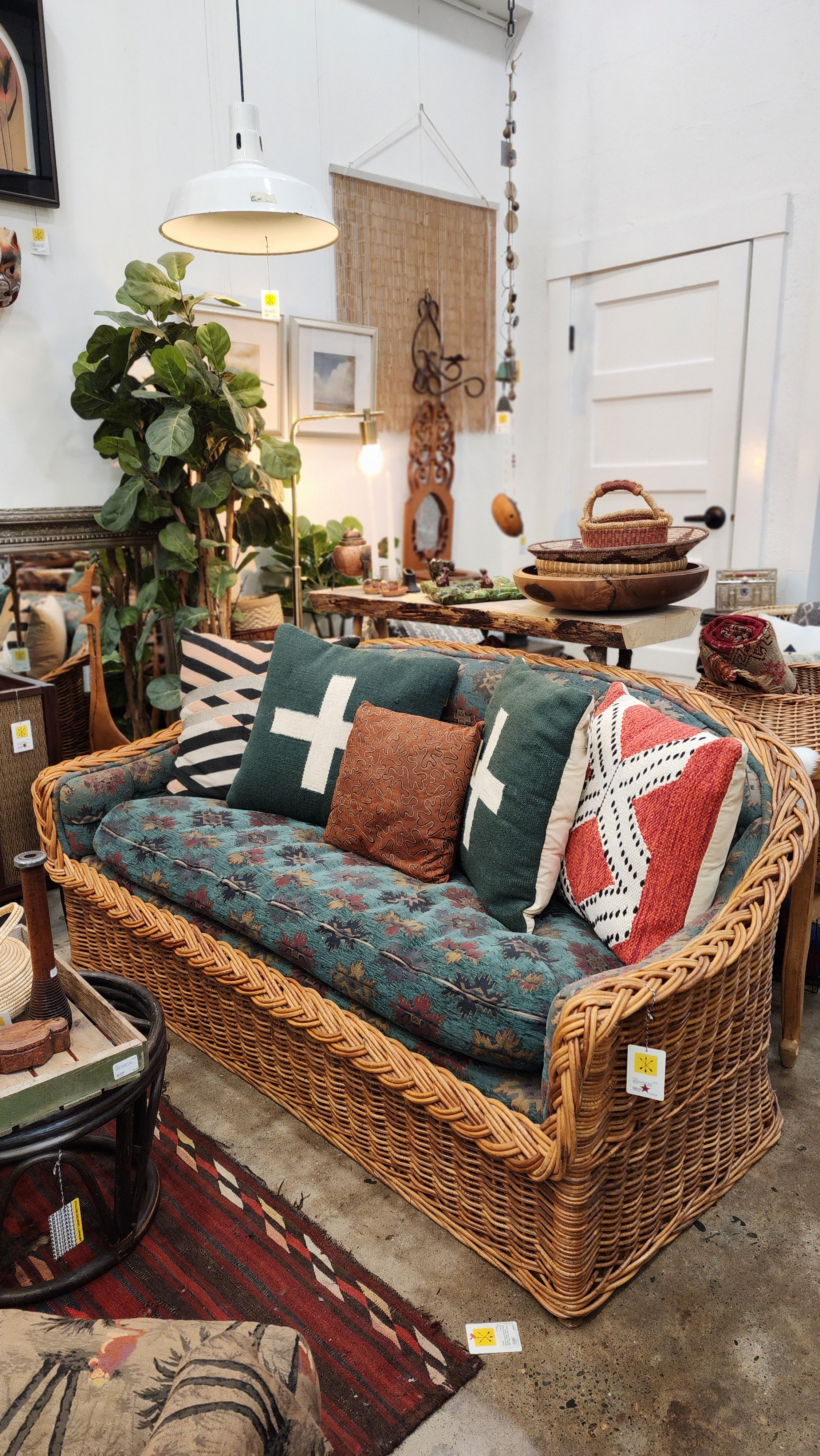
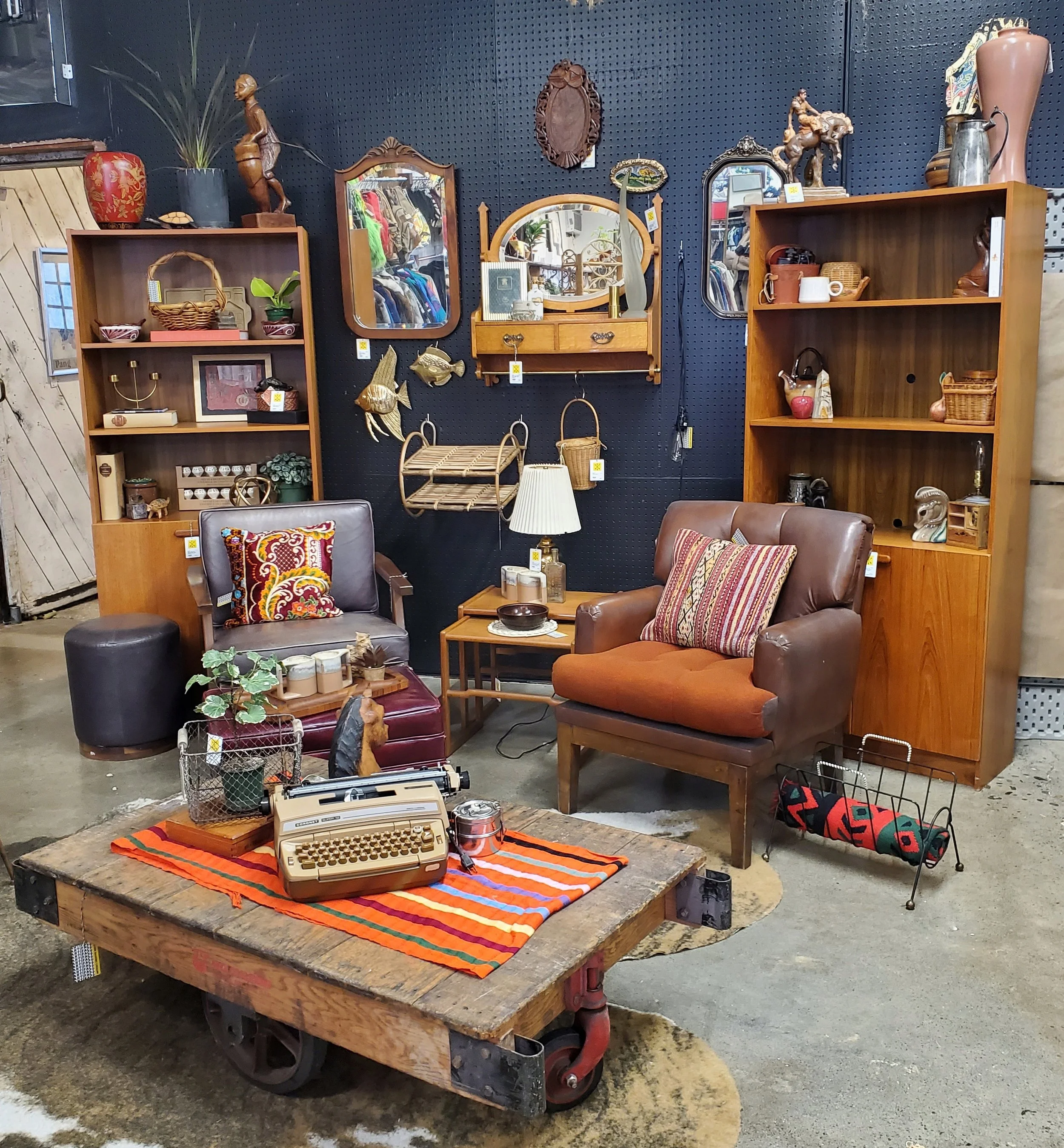
Real wood, real leather, and real brass pieces just waiting for you to find them at Artifact.
Come See What’s on the Floor
Artifact is always bringing in vintage furniture, clothing, lighting, rugs, and objects with exactly this kind of character and material quality in mind.
If you want to train your eye, walking through good vintage stores helps more than reading a hundred guides online.
Come visit us, follow along at Instagram @artifactpdx, or bring something in for buy/sell/trade. We’re always excited to see what people have been holding onto.