
A Beginner’s Guide to Mid-Century Modern
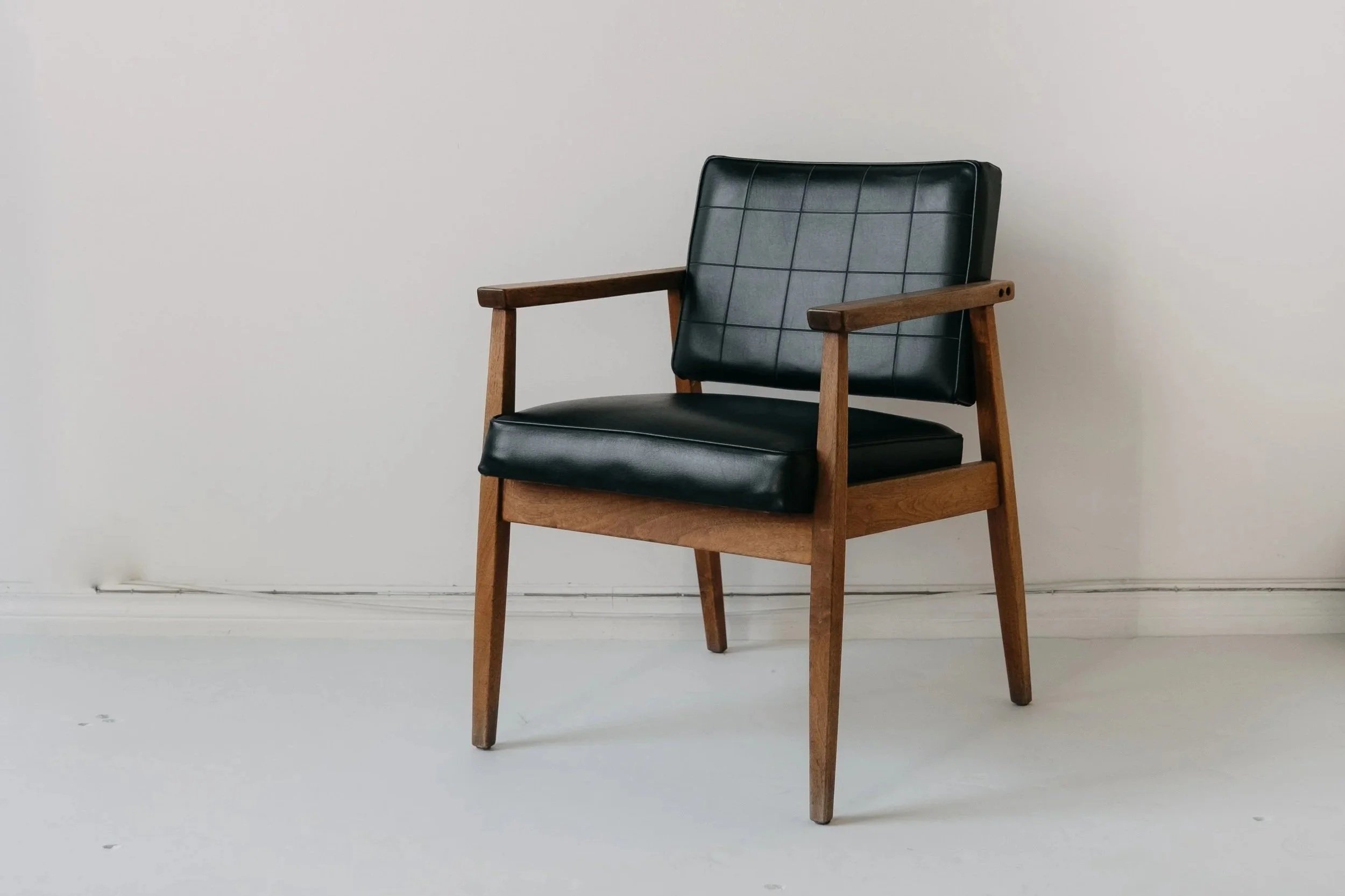
Most people use “mid-century modern” to describe basically anything with tapered legs.
I mean, hey, they’re not wrong. The term has become shorthand for a certain look: clean lines, warm wood, sculptural furniture, maybe a brass lamp and a credenza somewhere nearby.
True mid-century modern design is way bigger, and way more interesting, than the Pinterest version. It wasn’t one exact style, or decade, and it definitely wasn’t as minimal as people remember it being now.
The real mid-century era was experimental, optimistic, playful, futuristic, sometimes weird, and deeply influenced by postwar architecture, technology, art, and culture shifts happening across the world! Which is exactly why vintage lovers still obsess over it.
If you’ve ever wondered how to identify mid-century modern furniture, what separates authentic pieces from reproductions, or why some pieces feel timeless while others feel trendy, this guide is for you.
What Does “Mid-Century Modern” Actually Mean?
Technically, mid-century modern refers to a broad design movement that roughly spans the mid-1940s through the late 1960s. Though some people stretch it into the 1970s depending on the designer or style.
The movement exploded after World War II, when designers began experimenting with new manufacturing methods, new materials, and new ideas about how people should live.
Homes became more open-concept and furniture shifted toward being more functional, while ornamentation was stripped back in favor of simplicity. Designers started emphasizing clean silhouettes, organic shapes, practicality, natural materials, indoor-outdoor living, and the idea that good design could be mass-produced without losing intention.
But the key thing people miss is this:
Mid-century modern isn’t one aesthetic. It contains multiple eras and substyles inside it.
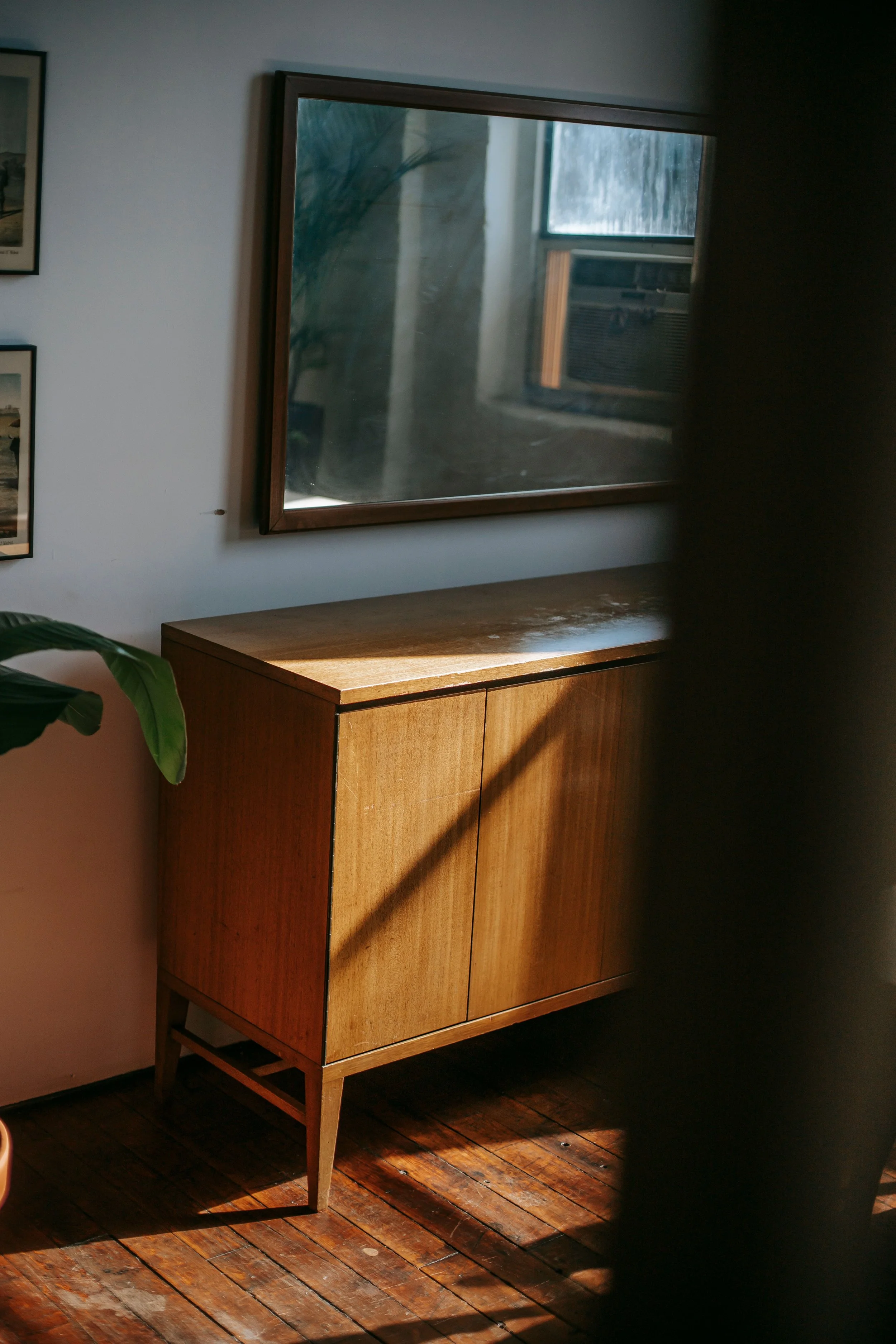
A 1950s walnut credenza and a brightly colored 1970s modular sofa might both technically fall under the broader mid-century umbrella, even though they feel completely different visually.
The Three Mid-Century “Eras” Most People Blend Together
Early Mid-Century: Late 1940s–1950s
This era feels the warmest and most organic.
You’ll see:
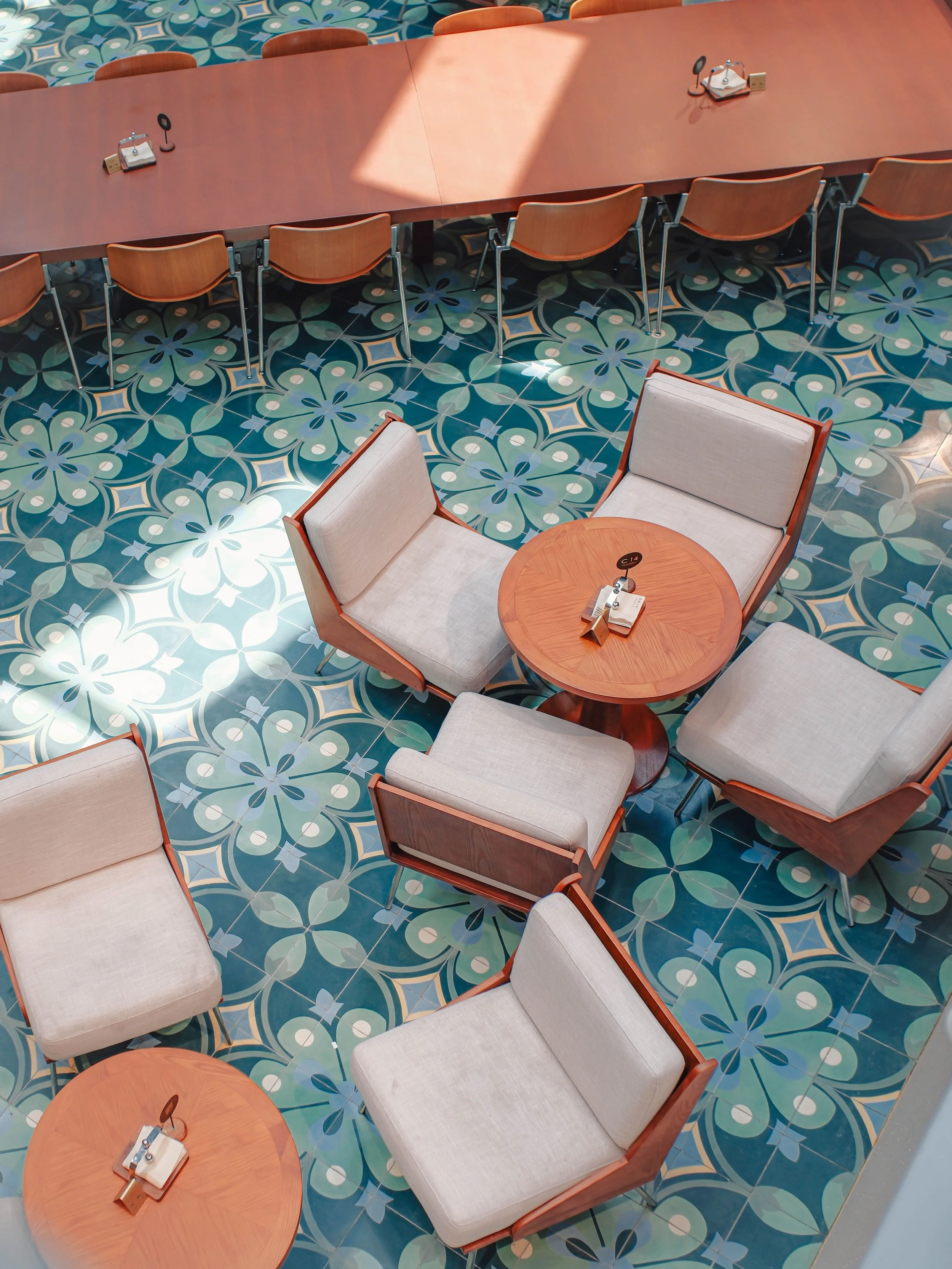
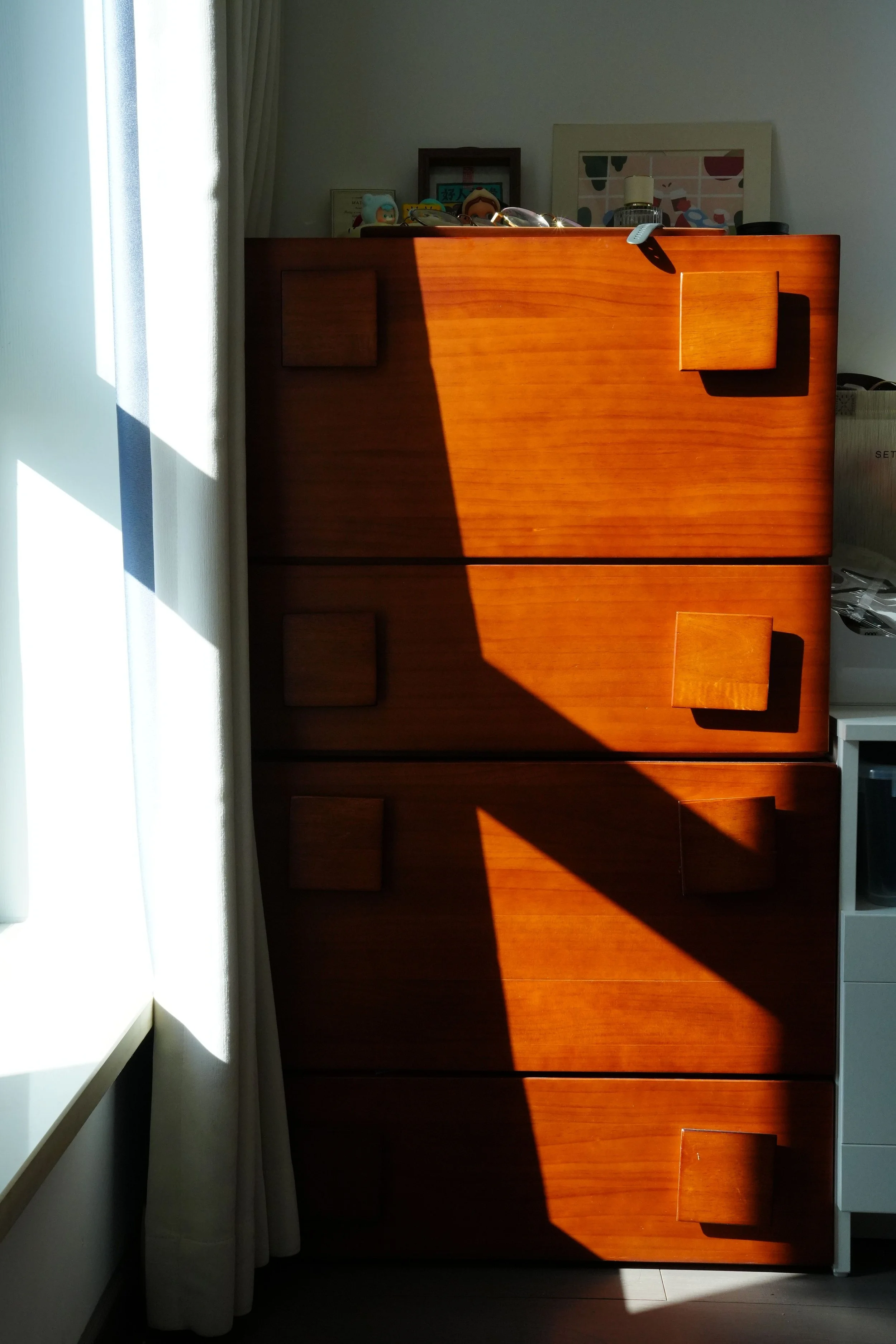
Teak and walnut woods
Soft curves
Tapered legs
Functional silhouettes
Scandinavian influence
Muted earthy tones
A lot of iconic furniture people picture when they think “MCM” comes from this period.
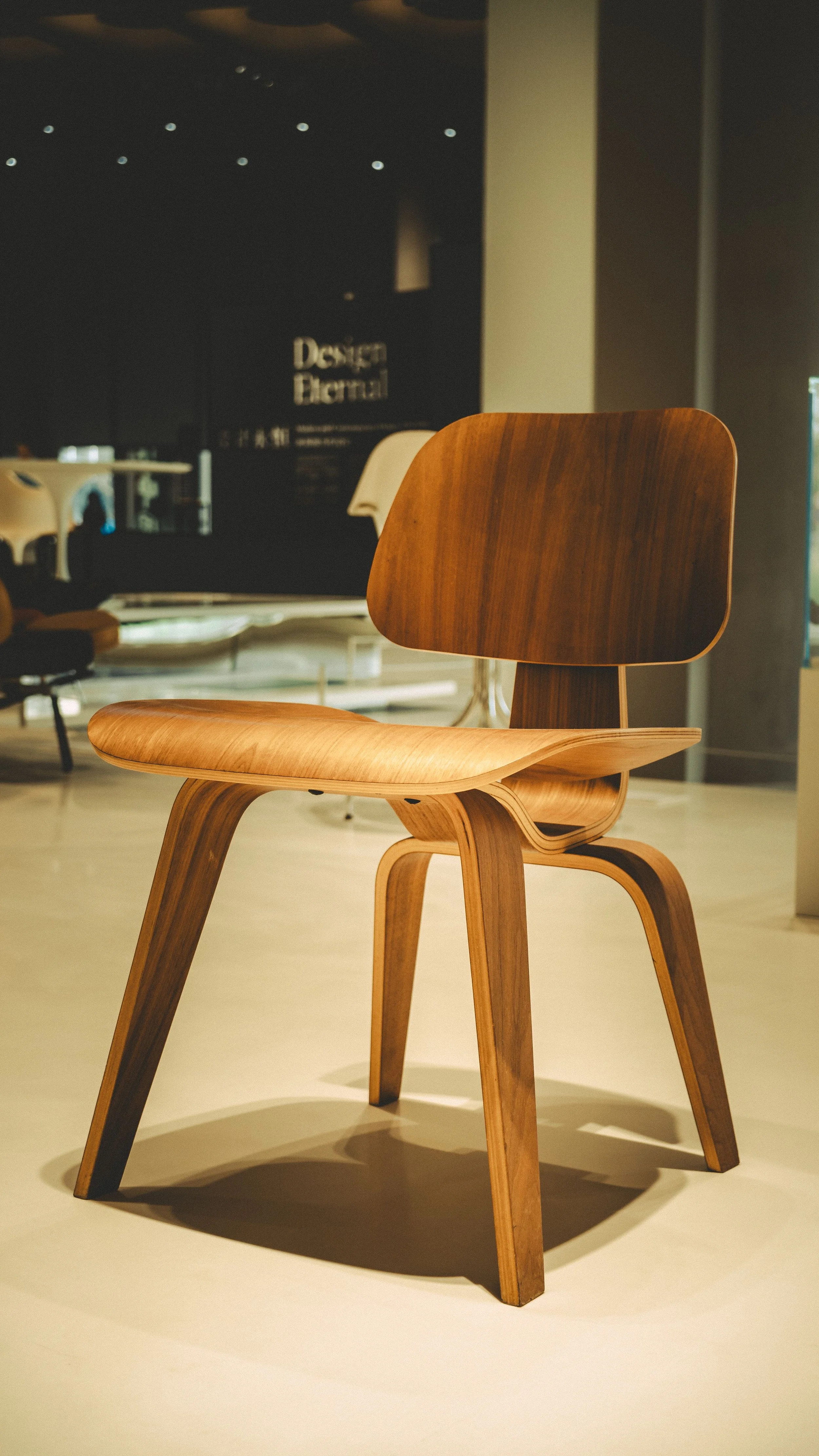
This was also when designers like Charles and Ray Eames, Hans Wegner, and Florence Knoll became hugely influential. The pieces from this era often feel calm, architectural, and incredibly livable.

Atomic Age Mid-Century: Late 1950s–1960s
This is where things get more futuristic!
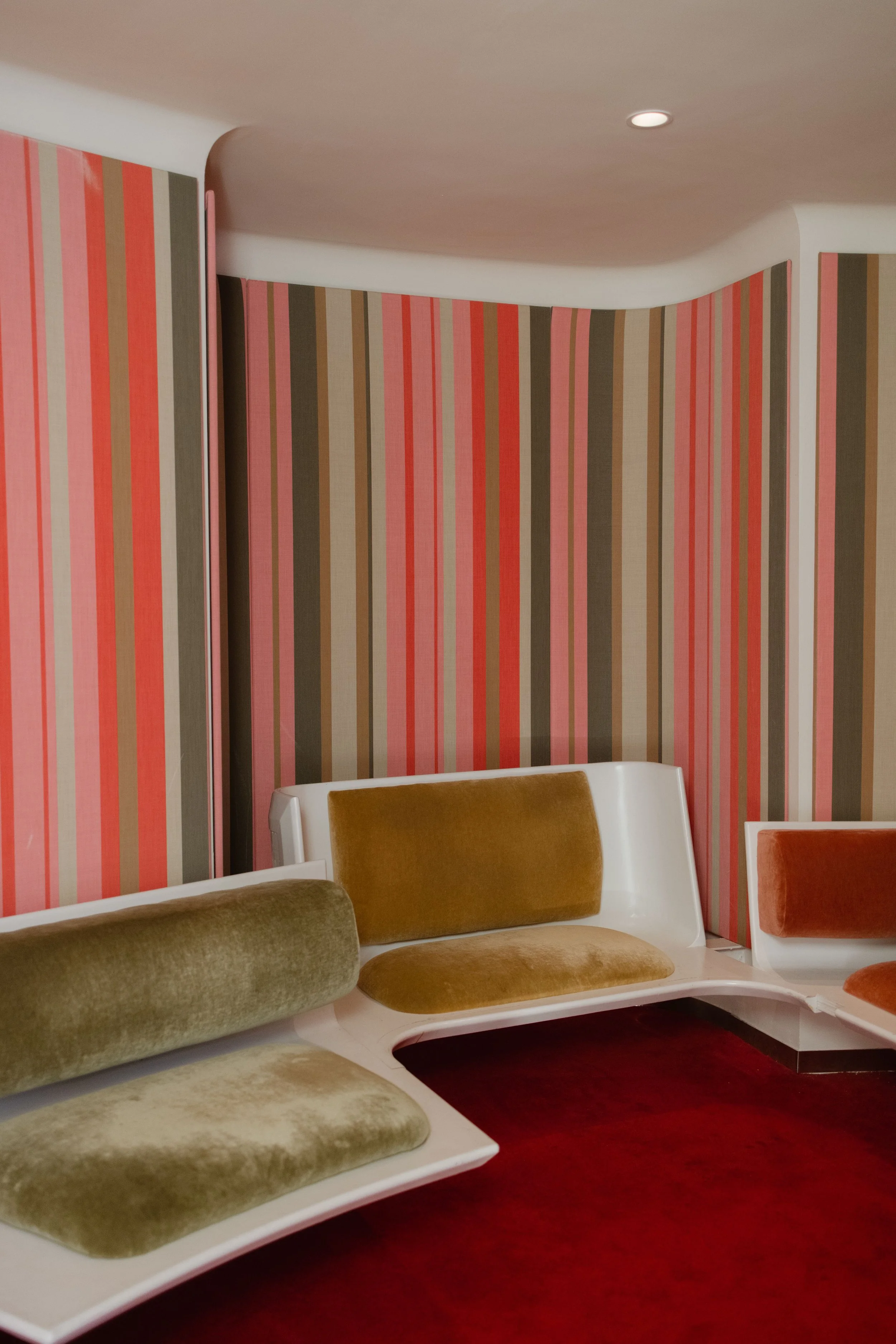
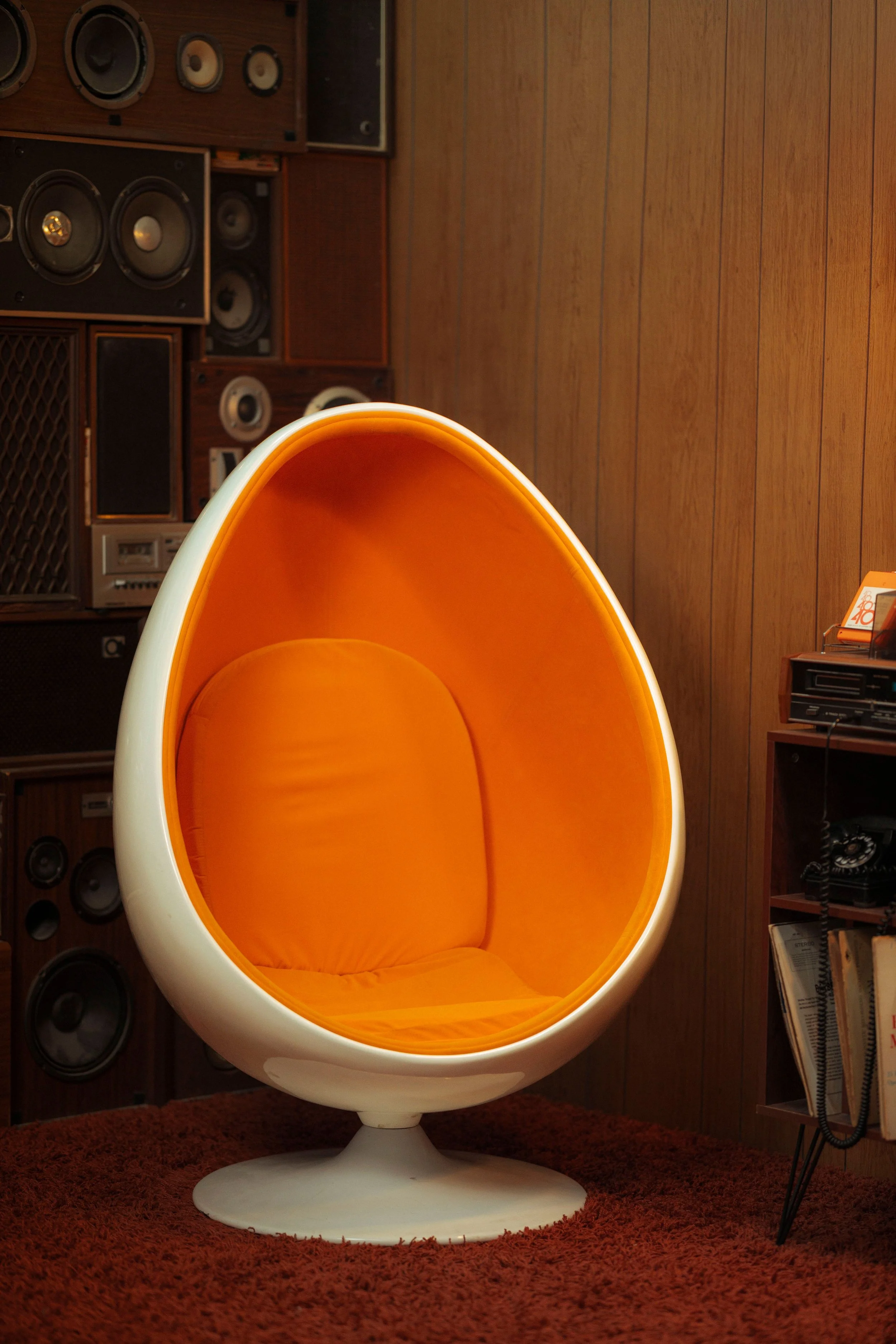
The Space Race had a massive influence on design during this period. Furniture became more sculptural and experimental. Materials like fiberglass, chrome, molded plastic, and lacquer became more common.
You’ll start seeing:
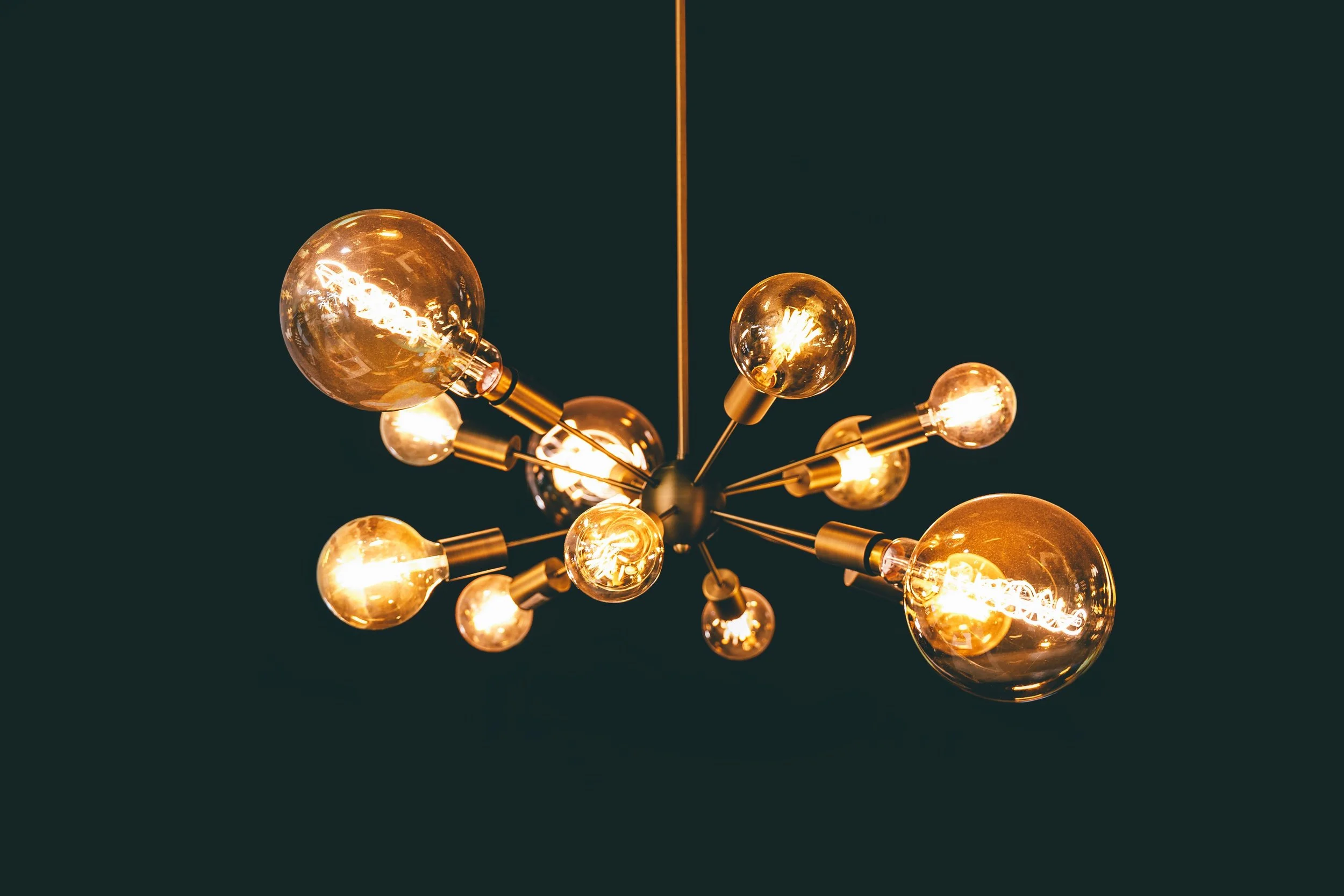
Sputnik lighting
Geometric shapes
Bold graphic patterns
Bright accent colors
Sleeker silhouettes
Space-age influences
This is the era where mid-century starts feeling more playful and optimistic.
A lot of people forget that mid-century modern originally embraced color. The all-neutral reinterpretation came much later.
Late Mid-Century: Late 1960s–1970s
This is where mid-century starts blending into 1970s design language.
The clean minimalism softens. Things become moodier, earthier, and more expressive.
You’ll see:
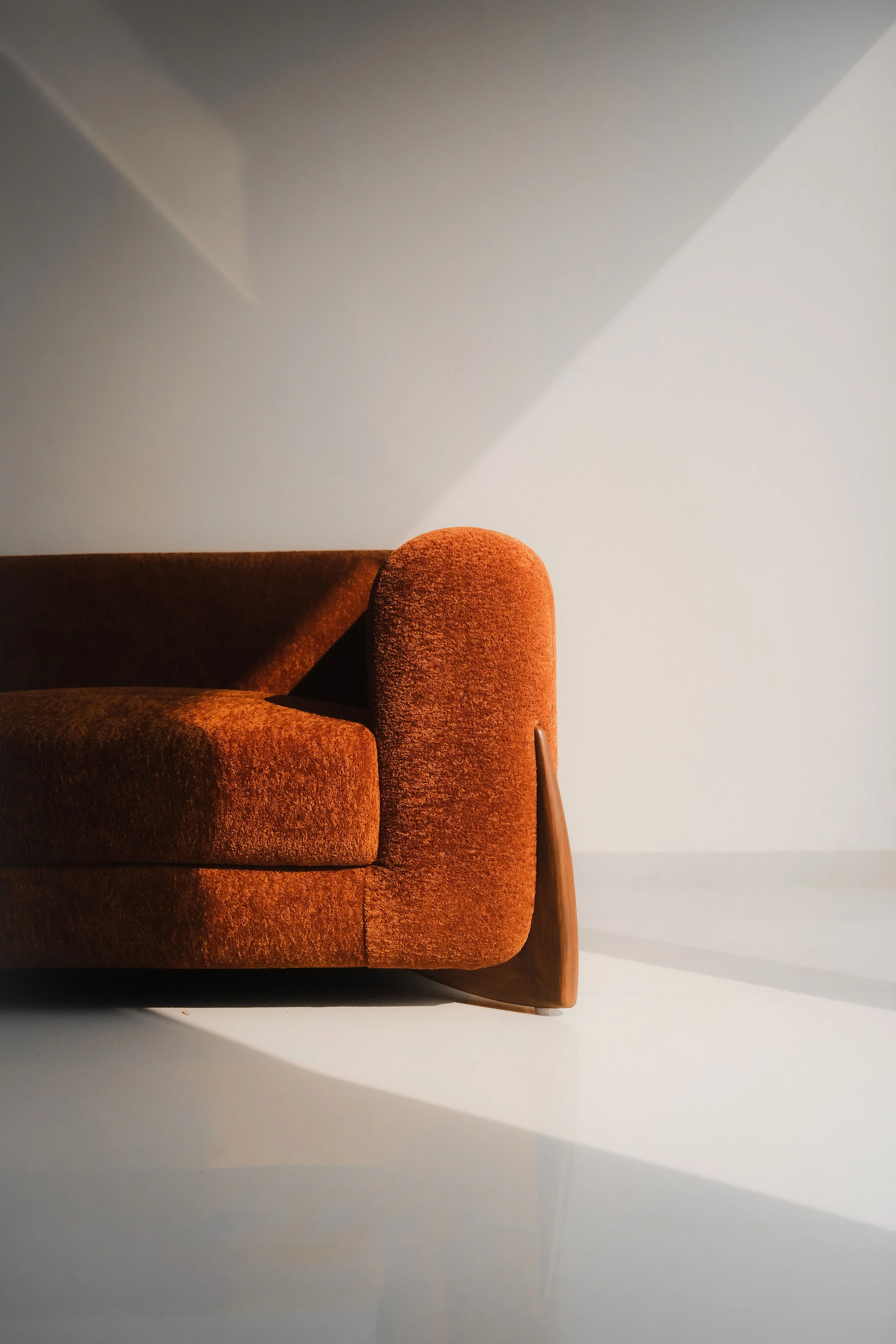
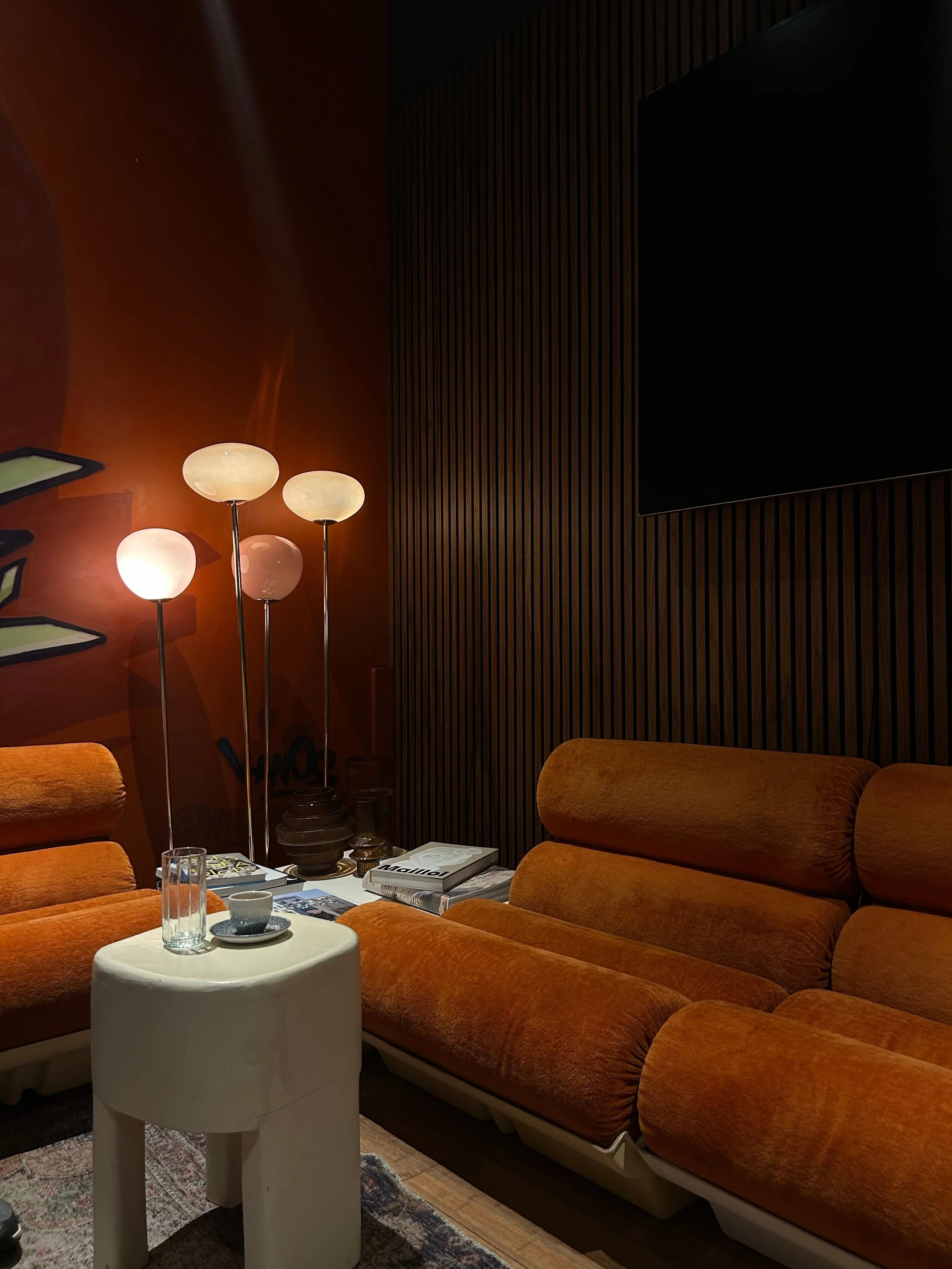
Chunkier furniture
Richer colors
Velvet and boucle
Smoked glass
Burl wood
Dramatic lighting
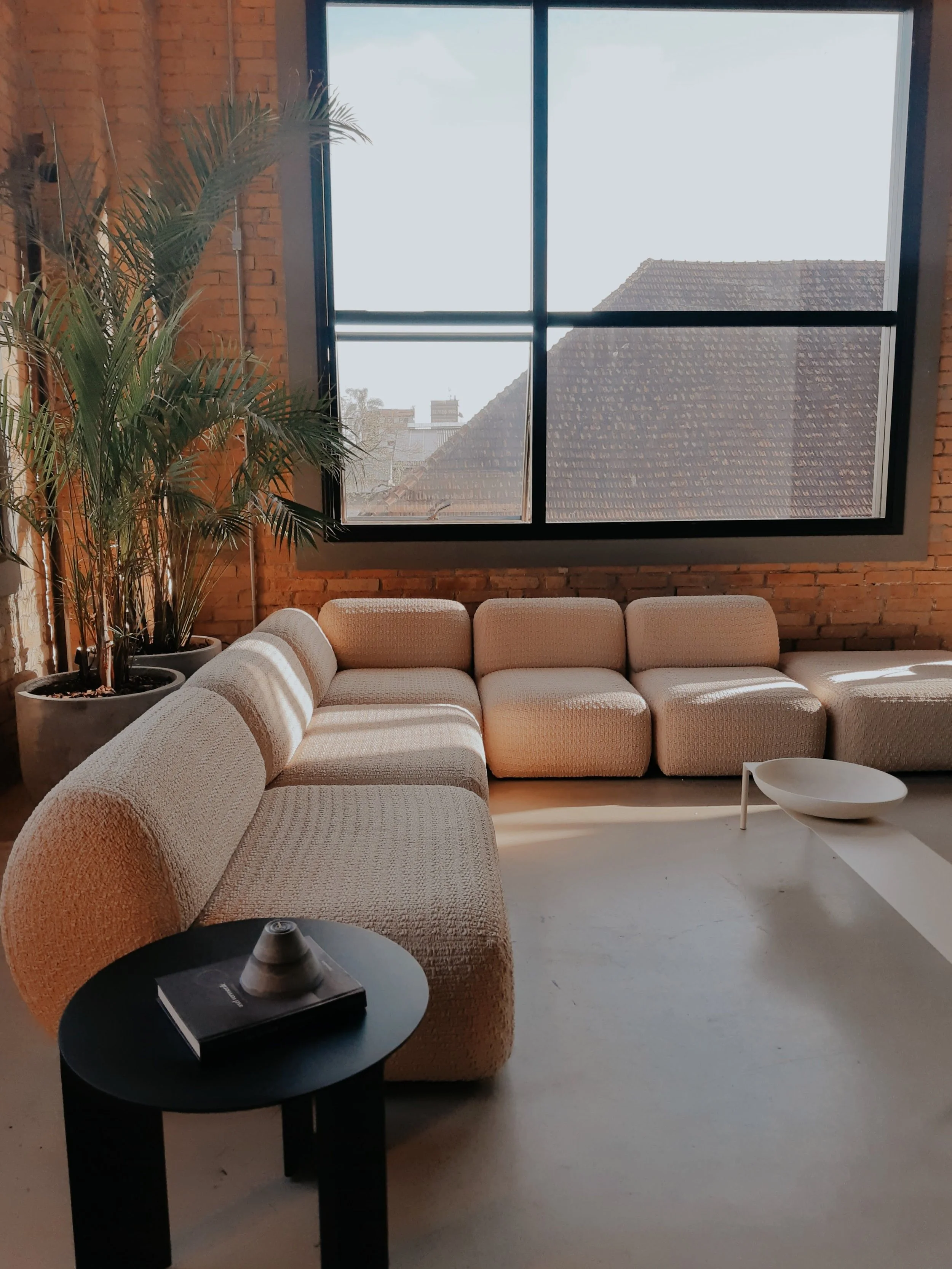
Modular seating
Honestly, some of the most exciting vintage interiors right now are pulling from this later era because it feels warmer and less sterile than the heavily commercialized version of MCM that dominated the 2010s.
How to Identify Real Mid-Century Modern
Look at Construction First
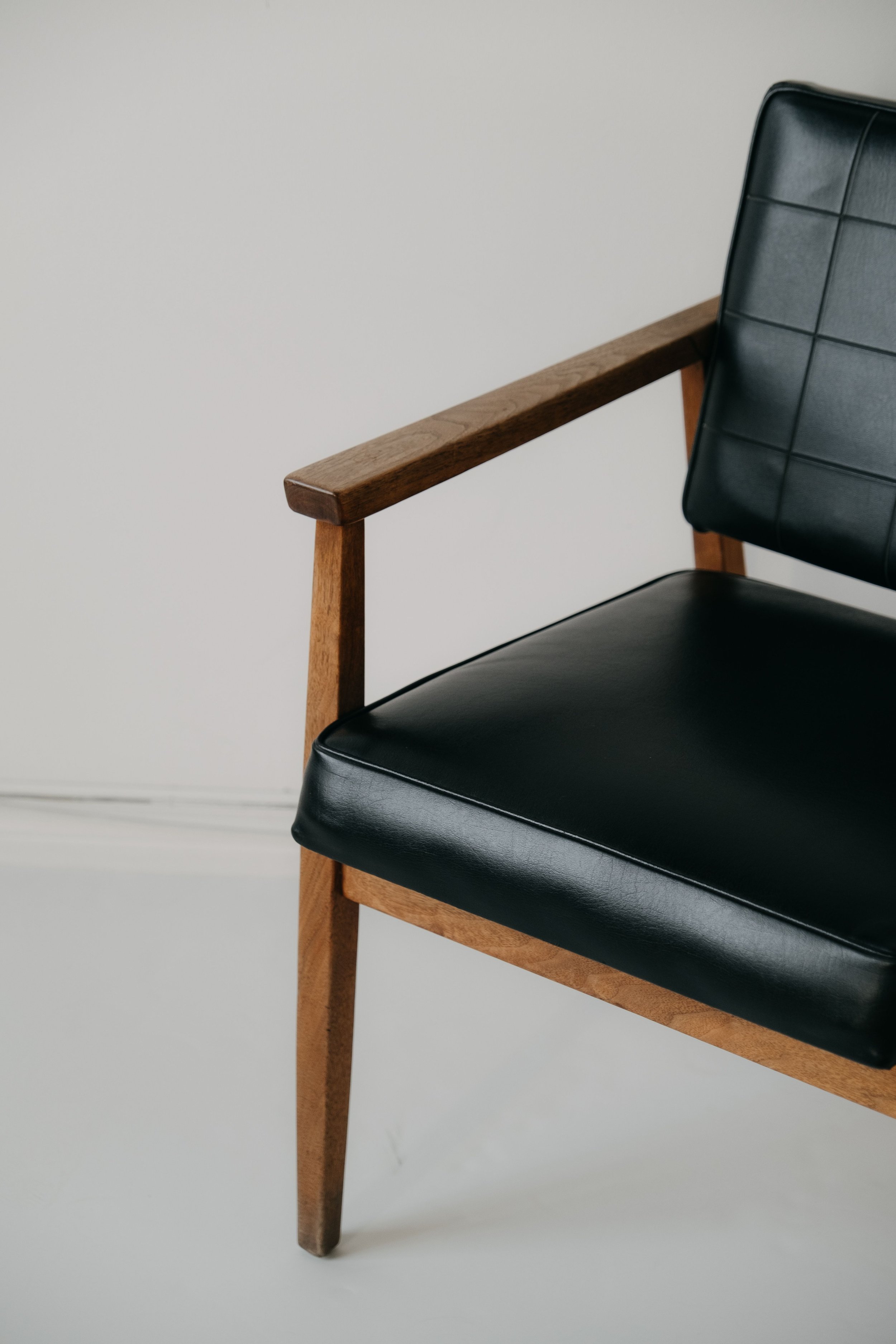
One of the biggest tells of authentic vintage furniture is how it’s built. Older mid-century furniture was often made with solid wood frames, dovetail joints, and veneered hardwoods over stronger cores. It also tended to use higher-quality hardware and overall proportions that feel more balanced and intentional than most mass-produced furniture today. Cheap reproductions tend to simplify details and use lighter materials.
If you haven’t already, our guide to identifying real leather, real wood, and real brass goes deeper into how to spot quality materials while thrifting or vintage shopping.
Don’t Obsess Over Labels
Not every good mid-century piece needs a famous designer attached to it. Yes, authenticated George Nelson or Arne Jacobsen pieces are incredible. But some of the best vintage interiors are built from anonymous finds with strong shapes and quality construction. A lot of people get too focused on names instead of learning proportions, materials, and silhouette. That eye matters more in the long run.
If you are looking for a maker’s mark, the best places to check are inside drawers, on the underside of tables and chairs, or anywhere the piece hides a little detail. Don’t be afraid to flip it over and look at it from every angle! Google Lens can also be a helpful tool for quick identification, but it is not the final authority on what something is or isn’t.
Mid-Century Modern Was Never Supposed to Feel Sterile
This might be our hottest take.
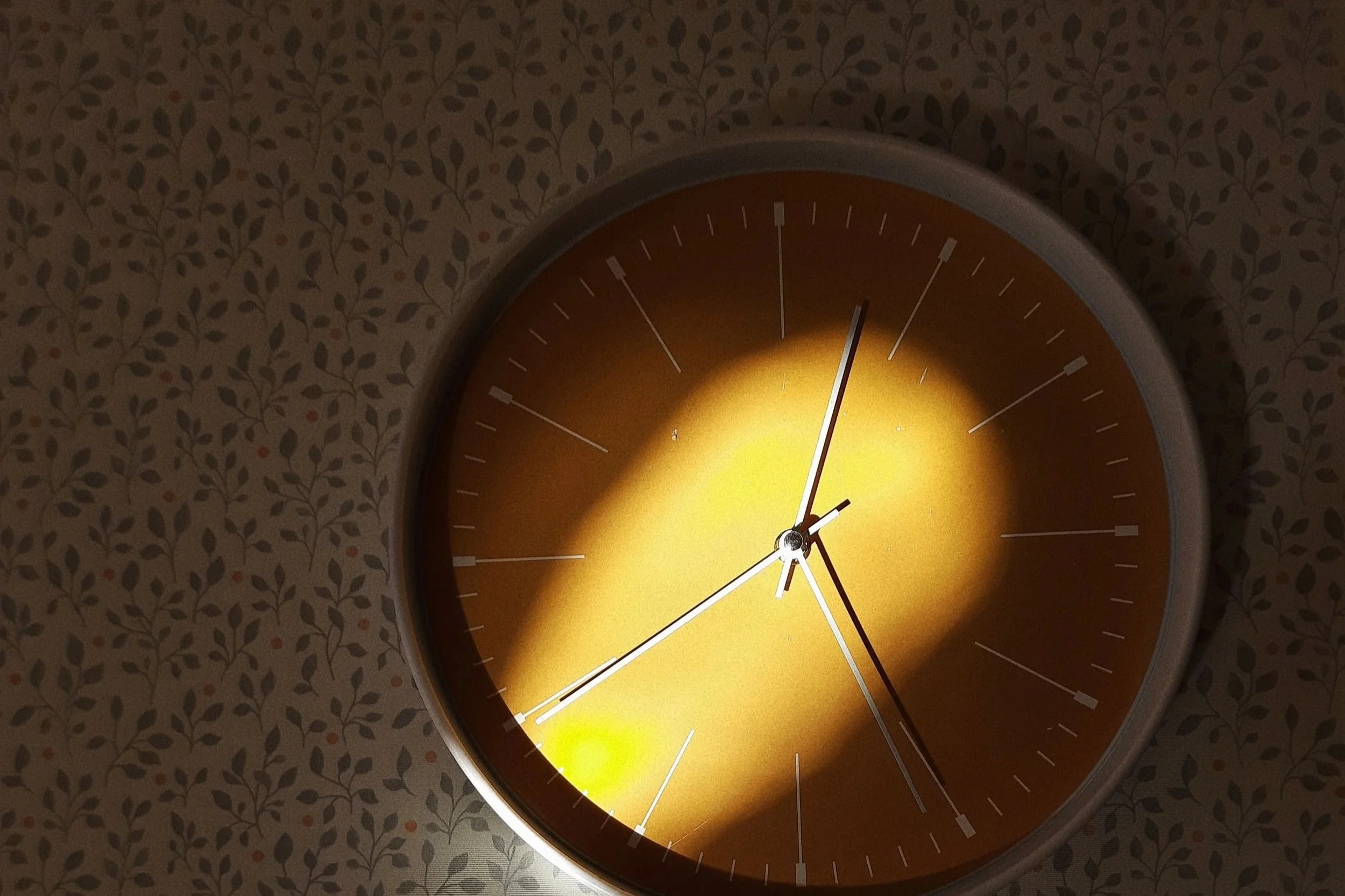
Somewhere along the way, mid-century modern got flattened into white walls, beige furniture, a single sad olive tree (someone had to say it), a reproduction Eames chair, and very little personality.
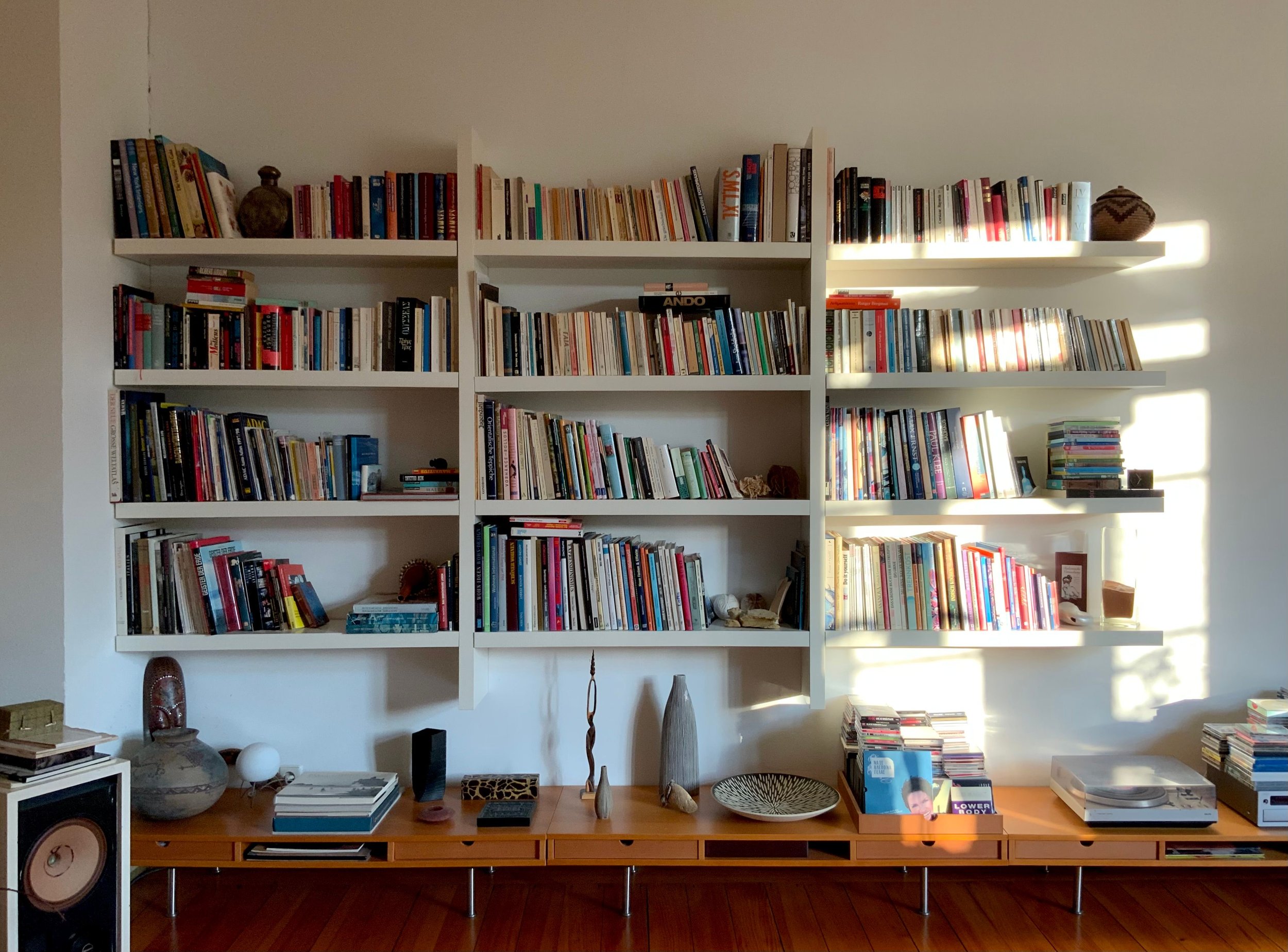
But original mid-century interiors were often layered, colorful, textural, and full of life. People mixed ceramics, books, textiles, art, plants, records, sculptural lighting, and strange little objects that did not necessarily match but made sense together. Homes felt lived in.
That is something we think about constantly at Artifact. The best vintage spaces do not feel like museum recreations, they feel personal!
If you want to see how this idea shows up in real homes, a few accounts we love for this kind of layered, maximal, personality-driven styling are: @modern.thrifter, @tonytran, and @goodeyesthetics.
Start Training Your Eye
The fastest way to understand mid-century modern is simple: Go look at a lot of it. Visit vintage stores. Sit in chairs. Open drawers. Compare woods. Study proportions. Notice what feels timeless versus trendy. Eventually, you stop seeing “mid-century” as a single aesthetic and start seeing nuance inside it. That’s when vintage shopping gets really fun.
Why Mid-Century Still Matters
There’s a reason people are still chasing these pieces decades later. The design philosophy behind mid-century modern still feels relevant today. It focuses on buying fewer, better things, prioritizing functionality, choosing materials that age well, letting spaces evolve over time, and investing in craftsmanship.
According to The Museum of Modern Art (MoMA), mid-century designers were deeply focused on making good design accessible to everyday people, not just collectors or elites. That democratic approach is part of why the movement still resonates. Because a well-made walnut dresser from 1962 often outlives the brand-new particle-board version sold today.
Artifact is always bringing in mid-century furniture, lighting, art, rugs, and objects that span multiple eras and styles, not just the internet-approved version of MCM.
If you want to learn how to identify quality vintage in person, come spend some time on the floor with us. We’re also always buying select pieces, including mid-century modern, through our buy/sell/trade program. If you have something you think might be a fit, you can learn more about how it works on our How to Sell page. Or follow along on Instagram @artifactpdx for new arrivals, sourcing finds, and the pieces we can’t stop thinking about.