
How to Mix Eras When Designing a Room

A room full of pieces from the same era can be beautiful. It can also start to feel a little like a showroom.
The most interesting rooms tend to be a little harder to place. Maybe there’s a 1960s walnut credenza next to a Victorian chair, a 1980s lamp sitting on a mid-century side table, and a modern sofa underneath an antique painting. Nothing technically matches, but somehow the whole room works.
That is the magic of mixing eras!
At Artifact, we spend a lot of time thinking about how individual pieces relate to each other. When you're working with vintage furniture and secondhand finds, you're naturally going to end up with objects from different decades, different designers, and completely different design movements. The trick isn't to make them look like they came from the same catalog. It's to find the things that make them belong together.
Here's how to mix eras in a room without making it feel chaotic.
Start with a pov, not a decade
One of the easiest mistakes when designing a room is deciding that everything needs to belong to the same design era.
A room doesn't have to be entirely mid-century modern to feel cohesive. It doesn't need to be exclusively Victorian, Art Deco, or postmodern either.
Instead, start with a point of view. Are you drawn towards…
Warm woods?
Mixing woods?
Funky, fun shapes or objects?
Rooms that feel layered?
Minimal but vintage?
Once you know what you like/are drawn towards, the decades become much less important.
A 1970s Italian chair and a 1990s lacquered side table might seem completely unrelated on paper. Put them in a room with warm lighting, an interesting rug, and a few other objects, and suddenly it makes so much sense.
First comes the feeling, then comes the era.

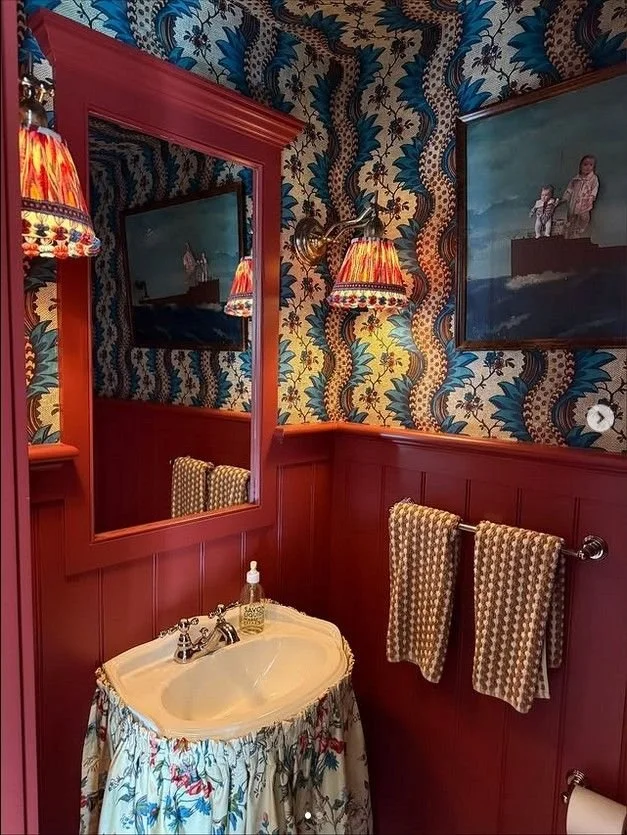
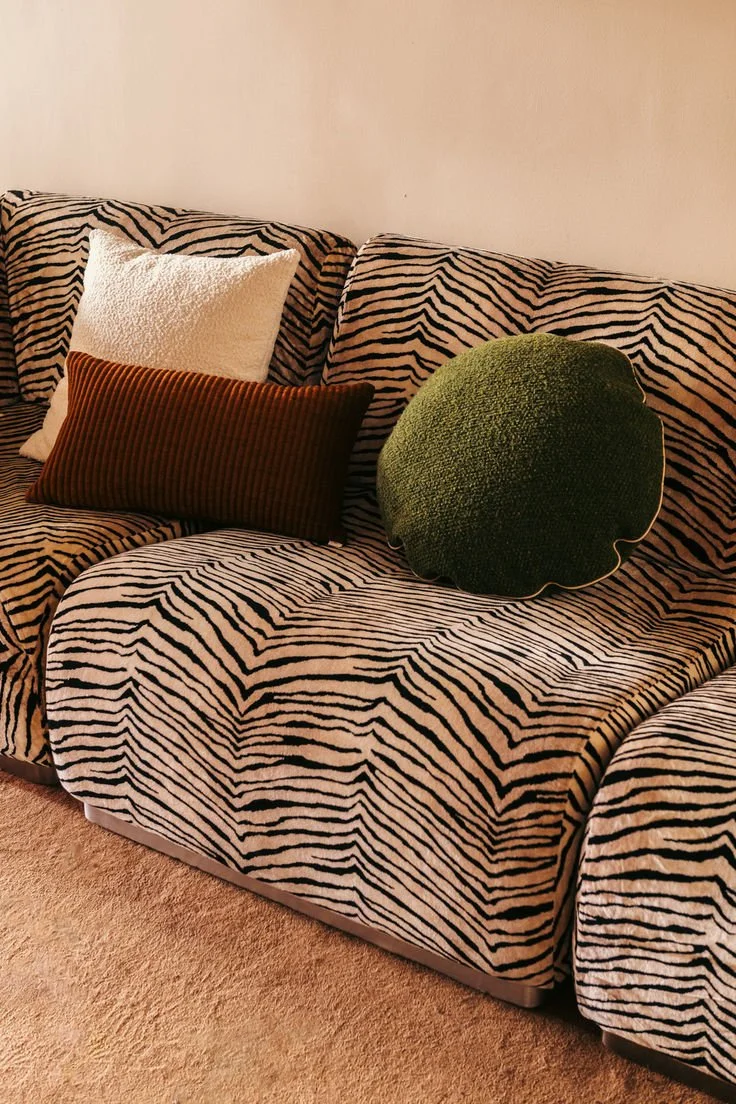
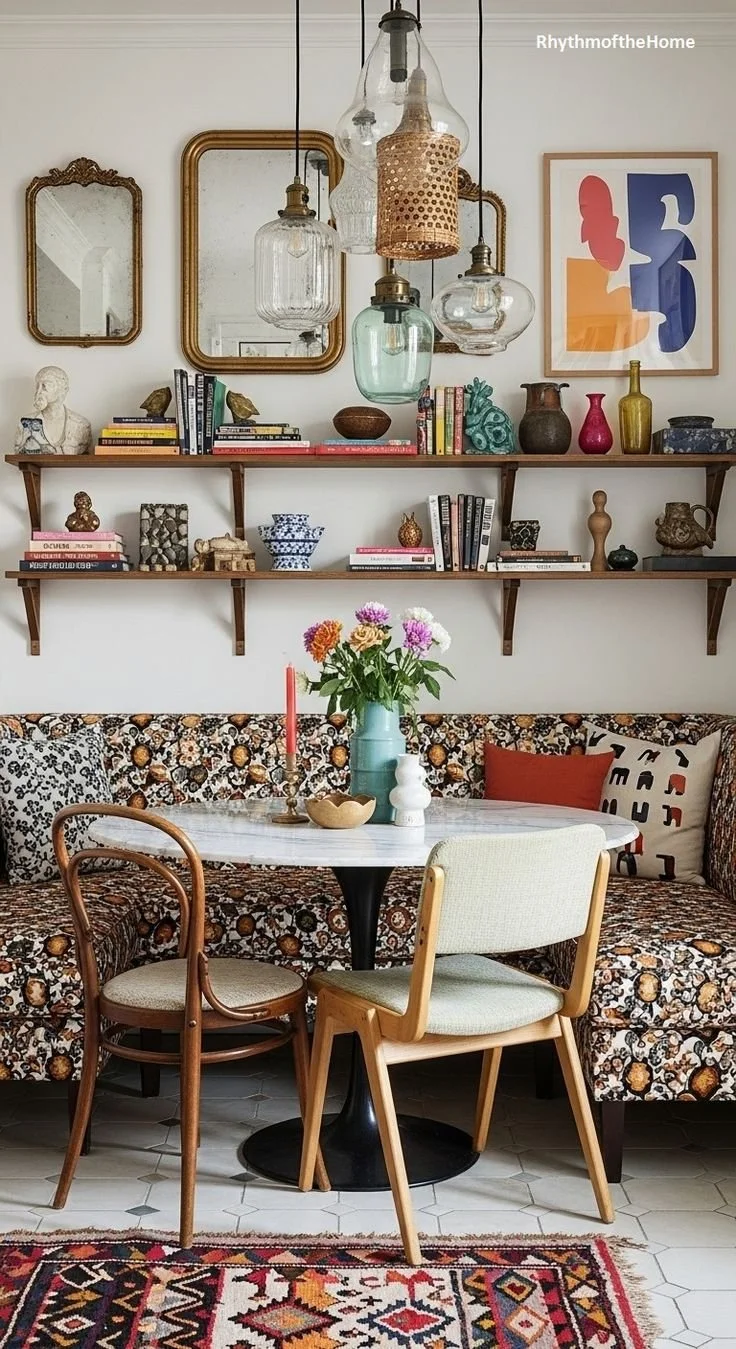
Choose one era to anchor the room
Mixing eras doesn't mean every piece needs to compete for attention.
This might be a large mid-century sofa, an antique dining table, a 1970s rug, or even the architecture of the room itself.
Think of this as your anchor.
Once you have that foundation, the other pieces can start to push against it.
For example, imagine a room built around a substantial 1960s teak credenza. You could pair it with a contemporary sofa, a vintage Persian rug, an Art Deco lamp, books, ceramics, and so much more.
The credenza establishes the visual language of the room, but the other pieces keep it from becoming a time capsule.
This is especially useful when you're shopping secondhand because it gives you permission to buy the strange little thing you love without worrying about whether it "matches" everything else.
repeat materials instead of matching styles
This is one of our favorite tricks.
When different eras start to feel disconnected, look for materials that repeat throughout the room.
Wood is an obvious one. Maybe you have walnut furniture from two different decades. They don't need to match exactly. The repetition of warm wood tones creates a visual connection.
The same thing works with:
Brass
Chrome
Leather
Linen
Velvet
Glass
Ceramic
Marble
Woven fibers
A chrome lamp from the 1980s can make sense next to a 1960s chair if there are other reflective or metallic elements elsewhere in the room.
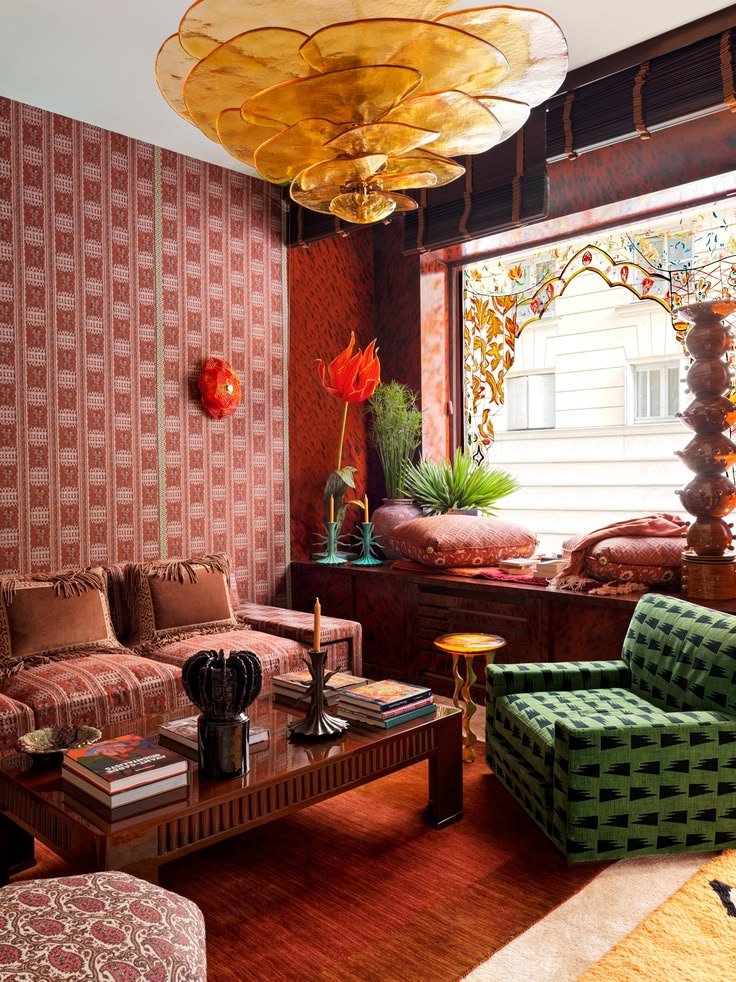
A carved antique table can sit comfortably beside a modern upholstered sofa if other natural materials are repeated throughout the space.
Mixing materials creates relationships and continuity throughout the space.
This is also why vintage rooms can feel so layered without feeling random. The pieces may come from completely different periods, but they're often connected through texture, color, shape, or material.
Pay attention to scale
A room can have perfect color and material relationships and still feel off if the scale is wrong.
This is particularly important when you're mixing furniture from different eras because proportions changed dramatically over time.
A tiny delicate antique side table might disappear next to a massive contemporary sectional. A petite 1950s chair could look lost beside an oversized 1980s cabinet.
Before adding another piece, step back and look at the room as a whole.
Ask yourself: Is there enough visual weight on each side of the room?
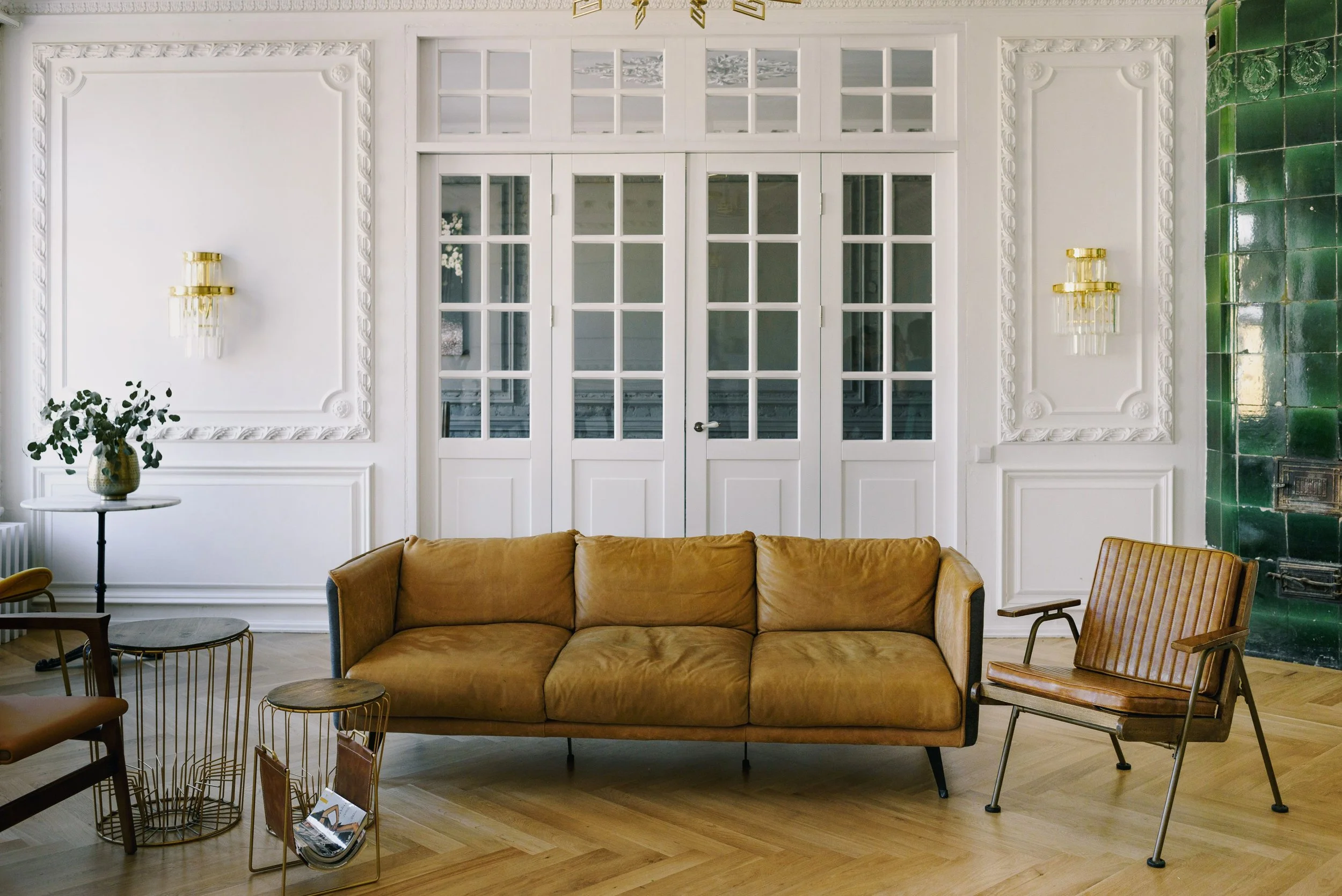
You don't want every piece to be the same size, but you also don't want one object to completely overpower everything around it.
A large piece can often be balanced with several smaller objects nearby. A visually heavy piece can be paired with something lighter and more open.
This is where collecting becomes more interesting than simply decorating. You're not checking boxes. You're building relationships between objects.
Let color do some of the talking
You don't need every piece in a room to share the same color palette, but repeating a few colors can help very different eras feel connected.
Let's say you've fallen in love with a rust-colored 1970s chair.
Instead of buying an entire room of orange and brown furniture, pull that rust tone into a rug, a piece of artwork, a throw pillow, or a small ceramic object.
Now the chair has a relationship with the rest of the room.

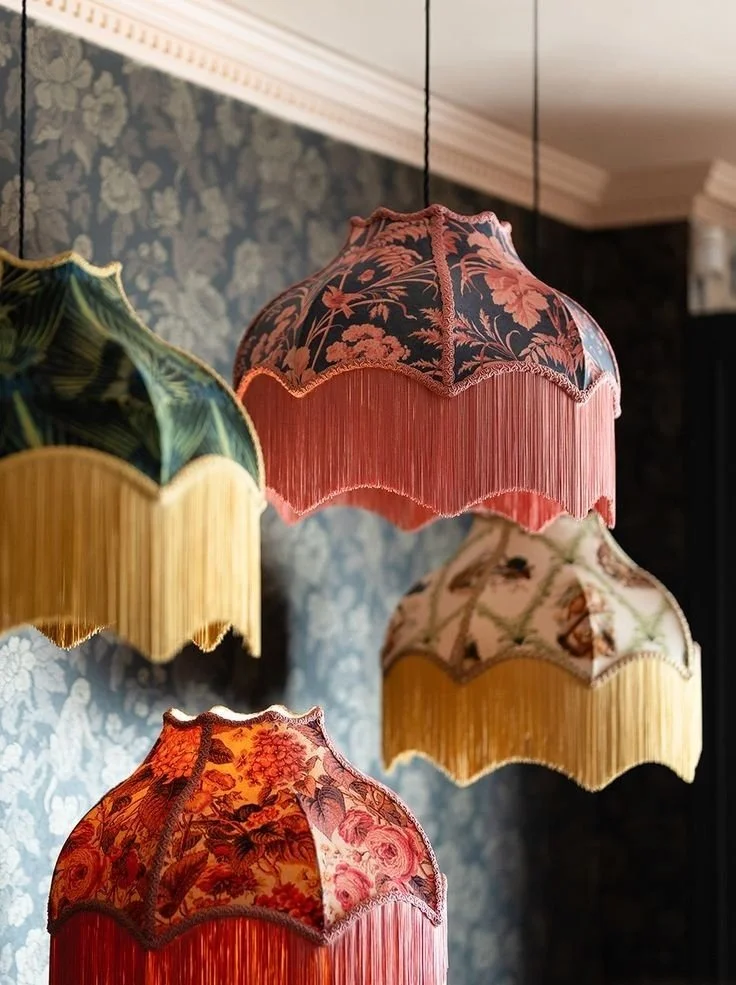
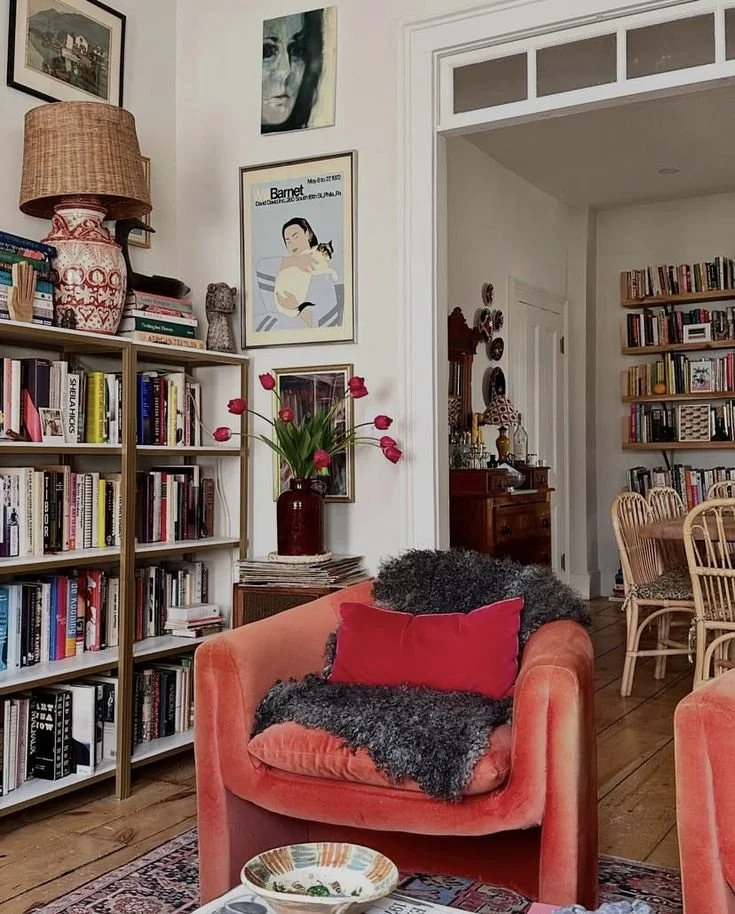
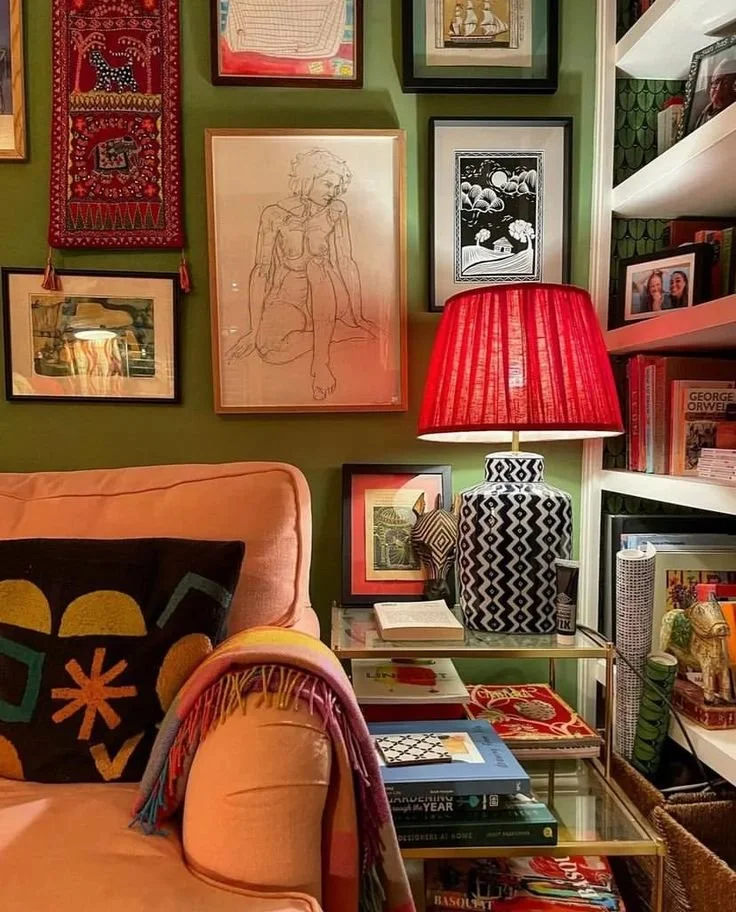
The same principle works with more unexpected colors. A bright cobalt blue vase might seem random until you notice that same blue appearing in a painting across the room.
You don't need matching colors. You need echoes of one, or even a few.
This is especially helpful if you're someone who loves collecting colorful or unusual vintage pieces. Rather than asking whether something matches, ask whether there is another element in the room that can talk to it.
mix shapes not just styles
Another way to keep a multi-era room from feeling chaotic is to pay attention to silhouette.
This is where mixing eras gets really fun.
A room full of straight lines can start to feel rigid. A room full of curves can start to feel overly soft. Mixing the two creates tension and makes the space feel more dynamic.
Try pairing:
A curved sofa with a rectangular coffee table
A sculptural lamp with a traditional cabinet
A boxy chair with a rounded side table
An ornate mirror with simple modern furniture
A structured piece with something soft and draped
The goal isn't symmetry. It's contrast with intention. Too much of one thing (in this case we’re talking shapes) is never good.
When two pieces have completely different silhouettes, they can actually make each other more interesting.
don’t forget the “quiet” pieces
If every object in a room is a statement piece, nothing is actually a statement piece.
This is one of the biggest reasons an eclectic room can start to feel chaotic.
You need some pieces that are willing to sit quietly in the background.
Maybe your incredible 1970s Murano-style lamp gets to be the star. Everything around it doesn't need to fight for the same role.
Use simpler furniture, neutral textiles, open space, or less visually complicated objects to give your more unusual pieces somewhere to breathe. That’s really the key word here… let the objects breathe.
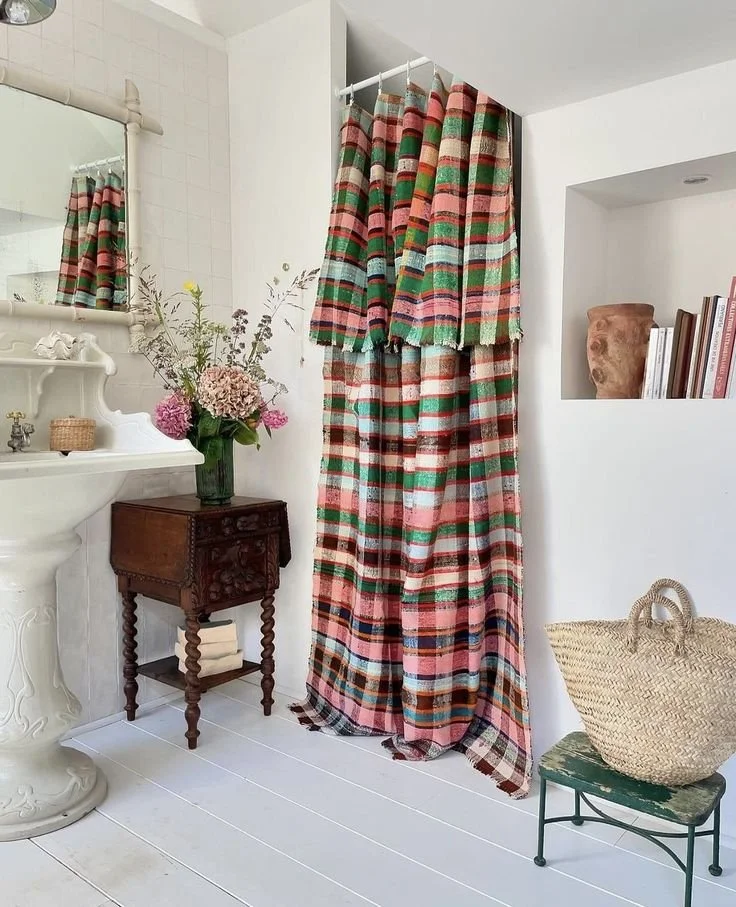
Think of it like an outfit. You can wear an incredible vintage jacket, but if every other part of the outfit is equally loud, the jacket loses some of its impact. The same thing happens in a room.
give the room some empty space
This one is easy to overlook when you're someone who loves vintage.
You find something amazing. Then you find another amazing thing. Then another.
Suddenly, every surface is covered.
A well-collected room needs negative space just as much as it needs beautiful objects.
Leave some breathing room between pieces. Let a wall stay relatively empty. Don't fill every corner simply because you can.
Empty space gives the eye somewhere to rest, and it makes the pieces you do have feel more important.
This is especially true with highly decorative furniture and objects. A little restraint can make the weird, beautiful, one-of-a-kind things stand out EVEN more.
Our favorite rule: buy what you love
At the end of the day, there isn't a strict formula for mixing eras. That's kind of the point. Some of the best rooms we've seen are full of combinations that you don’t, and can’t find on your Pinterest mood board. In fact, sometimes the most interesting rooms happen when you stop trying to make everything make sense.
How to Start Mixing Eras in your own home
If your space currently feels a little too matched, you don't need to start over.
Keep your largest piece
Use your existing sofa, dining table, bed, or cabinet as the anchor.Add one piece from a completely different era
This depends entirely on the anchor piece your choosing. For example, you might have a modern dining table, and you could try adding in an antique cabinet or credenza, mirror, lamp or even chairs.Find a material connection
Look for a wood tone, metal finish, textile, or color that you can repeat.Add something unexpected
Choose a piece, or a few pieces, that spark conversation. Think fun, and maybe even a little unexpected but somehow it just works. Art, lamps, and other fun, funky tchotchkes.Step back before adding more
Give the room some time to breathe. It doesn’t all have to come together at once.
If your space currently feels a little too chaotic, you don't need to start over.
Keep your favorite pieces
Identify the things you genuinely love and let those be the stars. And if you have a lot, remember, you have other rooms to design. All of your favorite and most loved pieces don’t all belong in the same room. Spread them out.
Create some breathing room
Try opening up a corner or surface in the room by taking a couple of pieces out of rotation. See how that feels. Sometimes the room just needs a little space to breathe.Look for repetition
If you have five different wood tones, six competing patterns, or statement pieces in every corner, choose a few to repeat and let the rest quiet down.Give your statement pieces some space
That incredible lamp, weird painting, or sculptural chair deserves attention!! Space them out a bit, and again, they don’t all have to live in the same room.Live with the edit
Again, don't rush to fill the empty spots. Give things time to settle. You might discover that what was missing wasn't another piece at all, but just moving something you already had.
The goal isn't to create a room where every piece makes perfect sense together. The goal is to create a room where everything feels like YOU!

Want more? We got you 👇🏼
If you're looking for a particular era, material, or style, come see what we've got. If you have no idea what you're looking for, even better. Come wander the shop. We're at SE 36th & Division in Portland, and there's always something new! And if you want to dive even deeper, read these articles we’ve sourced for you: